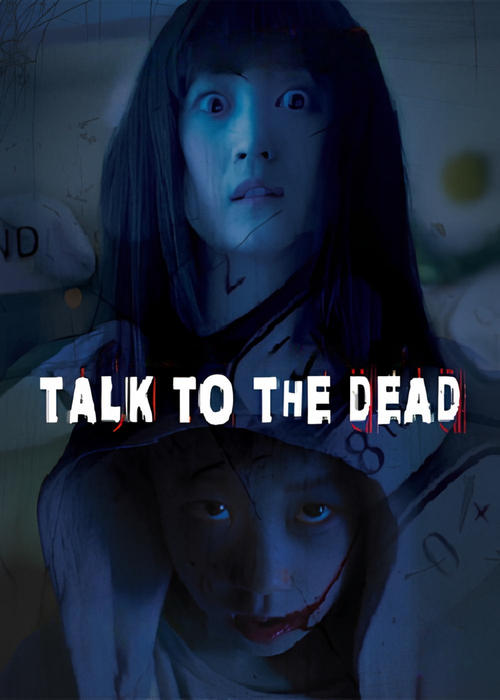
Talk to the Dead
2013
No user ratings available yet
Representation score: 4.5 out of 10

Representation Score
Good
2009
Not RatedDirector
Tadashi Shimizu
Runtime
85 minutes
Average Rating
No ratings yetNew Showbiz Analysis
Lust in Hell: Edge of the World offers a character-driven exploration of trauma and ability to act. The film successfully challenges traditional gender stereotypes by focusing on a woman who actively navigates her grief and supernatural abilities. However, the film falls short in providing multi-layered diversity. The cast is culturally homogenous, and there is no explicit LGBTQ+ representation, focusing instead on a heterosexual central relationship. Overall, the film's strength lies in its rejection of conventional social structures and its emphasis on individualistic ethics over institutional stability.
Category Breakdown
There is no explicit mention of LGBTQ+ identities in the film. The central relationship between Koto and Shinji is heterosexual.
Koto is portrayed as an active and proactive protagonist who drives the story forward. She escapes institutionalization to explore her own desires and psychological truths.
The film features a culturally homogenous cast, reflecting a Japanese perspective. It avoids a Western-centric viewpoint but does not include multicultural elements.
The narrative critiques institutional control by depicting the hospital as a place to escape. It emphasizes individualistic ethics over traditional moral or religious frameworks.
Koto's ability to communicate with the dead is presented as a core part of her identity. The film highlights her ability to act as she navigates her altered perception of reality.
Present on Screen
Limited or Absent
Official Synopsis
After losing her parents in a tragic traffic accident, Koto develops the ability to communicate with the souls of the dead. Hospitalized for extreme trauma, Koto escapes to return to the place where her parents died. There she meets Shinji, whose lover also died in a car accident, and they begin a torrid and tempestuous affair. The pair embark on an illicit and terrifying journey heightened by lust and death.
2013
1999
2007
2003
2011
1996
2006
2009
No reviews yet. Be the first to share your thoughts on this movie!
Use the rating form above to leave a star rating and optional review.