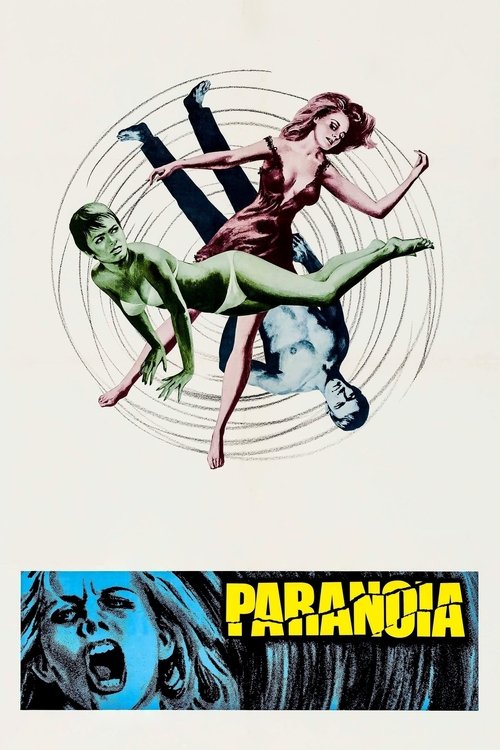
Paranoia
1969
No user ratings available yet
Representation score: 4.8 out of 10
Representation Score
Limited
1969
RDirector
Piero Schivazappa
Runtime
86 minutes
Average Rating
No ratings yetNew Showbiz Analysis
The film is a product of its historical context, emphasizing psychological tension and complex themes over diverse representation. It operates within the established norms of 1960s Italian cinema. Though the film lacks racial and LGBTQ+ diversity, it avoids simplistic moral binaries. The narrative structure gives real power to the female lead, complicating expected power dynamics in a thriller. Ultimately, the film's strength lies in its exploration of psychological ambiguity and subversion of conventional stability, despite being constrained by the casting norms of its time.
Category Breakdown
The story focuses on a heterosexual relationship between Maria and Dr. Sayer. There is no indication of queer subtext or non-cisgender identities in the narrative.
Maria starts as a potential damsel in distress but the plot shifts power dynamics, challenging traditional gender roles.
The film reflects the homogeneous demographics of late 1960s European cinema. It follows the traditional casting practices of its era and genre.
The film delves into subjective morality through a morally ambiguous protagonist. It moves beyond simple good versus evil to explore complex and transgressive themes.
There are no characters with visible or invisible disabilities in the film.
Present on Screen
Limited or Absent
Official Synopsis
Beautiful PR woman, Maria finds herself trapped in the home of the sinister and troubled Dr. Sayer, where she is subjected to a series of increasingly bizarre, terrifying, and degrading sex games. Sayer admits that he has murdered several women after the same ordeal, always killing them at the point of orgasm. But all is not what it seems, and through a series of twists and turns, the whole situation is slowly turned on its head.
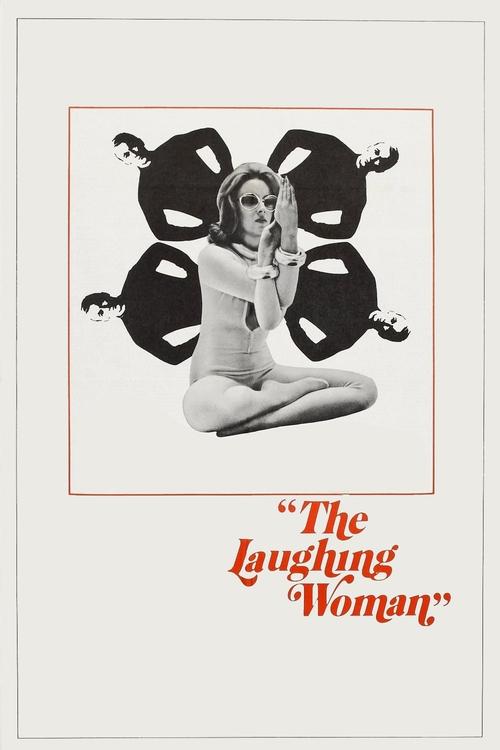
1969

1971

1971
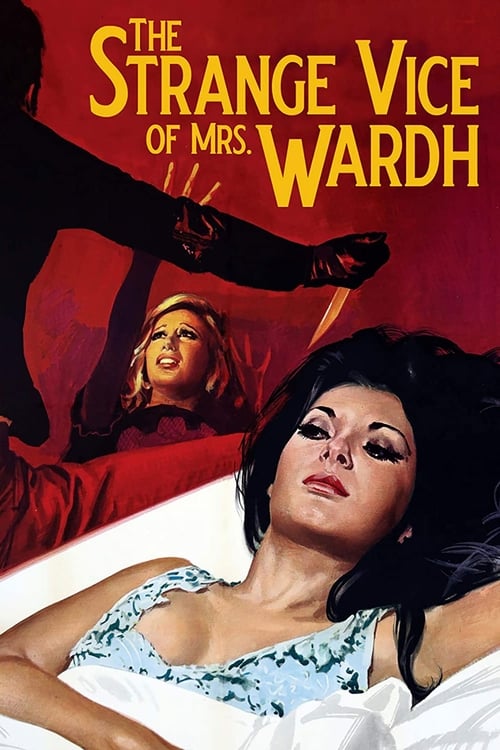
1971

2004

1975

1970
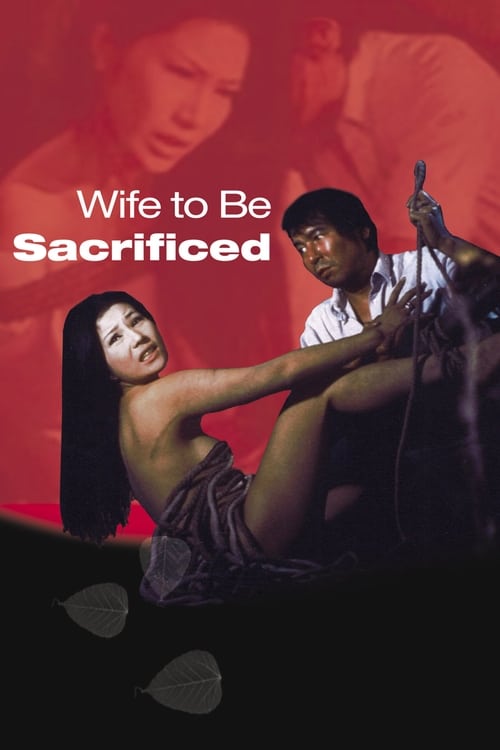
1974
No reviews yet. Be the first to share your thoughts on this movie!
Use the rating form above to leave a star rating and optional review.