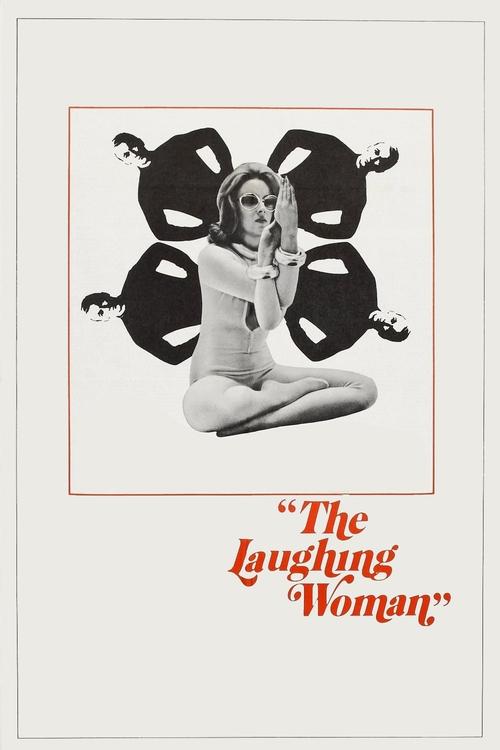
The Laughing Woman
1969
No user ratings available yet
Representation score: 3.9 out of 10

Representation Score
Fair
1971
RDirector
Sergio Gobbi
Runtime
125 minutes
Average Rating
No ratings yetNew Showbiz Analysis
Love Me Strangely is a psychological thriller that deconstructs the stability of the nuclear family. It replaces the idea of domestic sanctuary with a landscape of systemic cruelty and power imbalances. While the film lacks demographic breadth regarding race and sexual orientation, it succeeds in subverting the traditional masculine hero archetype. Instead of a pillar of stability, the male lead is a predatory force of moral decay. The film's impact lies in its critique of interpersonal power dynamics. It uses the domestic setting to explore the erosion of individual control through psychological manipulation.
Category Breakdown
The film centers on dysfunctional heterosexual relationships. There is no explicit portrayal of LGBTQ+ identities or perspectives that challenge the assumption that everyone is straight or cisgender.
The narrative disrupts traditional hierarchies by focusing on the psychological devastation experienced by female protagonists. It portrays the male lead as a source of domestic terror rather than a stable leader.
The film appears to have a homogeneous cast with no indication of racial blending or diverse casting to challenge the historical norms of 1970s European cinema.
The story critiques the sanctity of traditional Western marriage by depicting the domestic sphere as a site of psychological warfare. It rejects conventional moral archetypes in favor of nihilism.
There is no evidence of characters with physical or neurodivergent disabilities. The characters' struggles are primarily psychological and situational.
Present on Screen
Limited or Absent
Official Synopsis
Alain Revent, a seductive and refined man, derives a peculiar satisfaction from debasing his wives. The first, driven to the brink of despair, throws herself out of a window. Enlisting the help of an equally perverse casual acquaintance, Dino, the "handsome brute" proceeds to emotionally torture his second wife, Nathalie. The sadistic plan is picked up on by Officer Leroy who suspects the truth. Will he be able to snatch the unfortunate woman from the evil Alain's clutches?
1969
1971
1969

1972
1962
1976
1970

1970
No reviews yet. Be the first to share your thoughts on this movie!
Use the rating form above to leave a star rating and optional review.