
Io sono Valentina Nappi
2018
No user ratings available yet
Representation score: 6.0 out of 10
Representation Score
Good
2017
Director
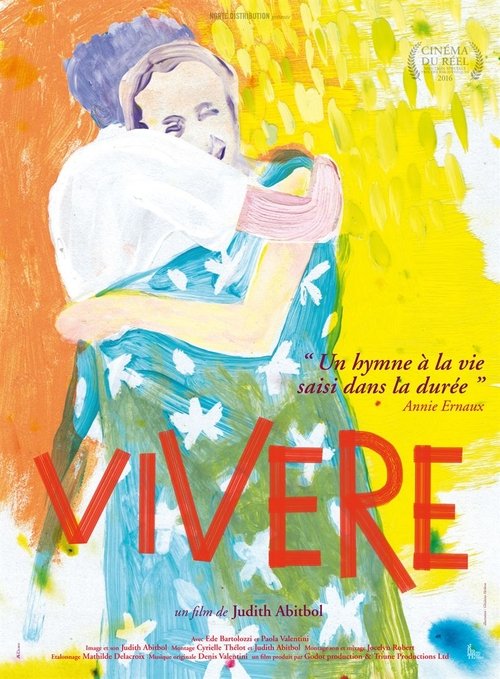
Judith Abitbol
Average Rating
No ratings yetNew Showbiz Analysis
Vivere is a humanistic documentary that emphasizes the representation of invisible disabilities over broad demographic diversity. Its primary strength lies in its nuanced and authentic portrayal of neurological struggles and the disruption of traditional domestic narratives. While the film offers a profound look at the realities of cognitive decline, it lacks significant markers for racial or LGBTQ+ diversity. The setting and subject matter suggest a localized, homogeneous cultural focus. Ultimately, the work succeeds by moving away from 'inspiration porn' and instead centers the ability to act of those navigating Alzheimer's disease.
Category Breakdown
The film does not provide explicit information about the sexual orientation or gender identity of its subjects. Instead, it focuses on the biological and psychological aspects of Alzheimer's disease.
The film explores caregiving, a role often associated with gender, through the parent-child relationship. It highlights the emotional ability to act of individuals dealing with neurological changes, potentially challenging traditional gender roles.
Set in Italy, the film focuses on a specific family context. The casting and setting reflect a relatively homogeneous cultural environment without evidence of multicultural blending.
The film deconstructs the idealized family unit by showing the complexities of Alzheimer's disease. It prioritizes the authentic depiction of aging and domestic life over a sanitized or moralistic portrayal.
The documentary provides visibility for neurodivergence and cognitive disabilities. It avoids using disability as a mere plot device and instead focuses on the ability to act of subjects through their experiences.
Present on Screen
Limited or Absent
2018
1978
2018

2016
2023
2000

2017
2019
No reviews yet. Be the first to share your thoughts on this movie!
Use the rating form above to leave a star rating and optional review.