
Vivere
2017
No user ratings available yet
Representation score: 6.8 out of 10
Representation Score
Good
2019
Director
Damien Boyer, Nans Thomassey
Runtime
70 minutes
Average Rating
No ratings yetNew Showbiz Analysis
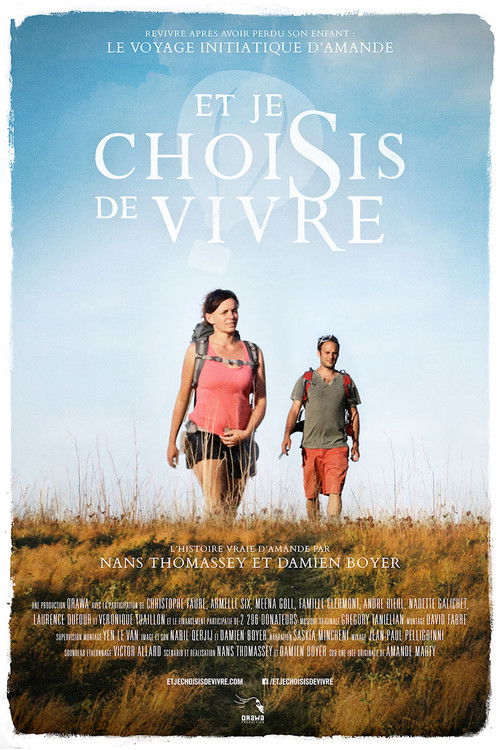
Et je choisis de vivre is a deeply personal documentary that centers on the subjective emotional truth of a single woman. By focusing on Amande's journey of rebuilding herself after the loss of a child, the film provides a meaningful look at female resilience and psychological complexity. However, the film lacks broad demographic diversity. The narrative is highly localized and focused on an individual experience, which limits its engagement with diverse racial, ethnic, or LGBTQ+ identities. While it offers a nuanced look at the 'disability' of grief, it remains a narrow, character-driven study rather than a systemic critique. Ultimately, the film succeeds as a study of personal healing but lacks the diverse representation across other social categories to achieve a higher score.
Category Breakdown
The film focuses on Amande's personal grief and reconstruction. There is no evidence of non-straight or non-cisgender identities or same-sex relationships.
The story centers on a woman's resilience and her journey of reclaiming selfhood after trauma. It highlights her internal psychological landscape and strength.
The narrative appears to be a localized, personal documentary set in the Drôme region. There is no evidence of a multi-ethnic cast or diverse racial representation.
The film emphasizes a secular, subjective morality through an initiatory journey. It favors personal emotional reality over rigid, institutionalized religious frameworks or societal mourning expectations.
The documentary explores the psychological impact of loss and emotional trauma. It examines how grief can temporarily limit an individual's ability to function.
Present on Screen
Limited or Absent
Official Synopsis
At just 30 years old, Amande loses her child. To rebuild herself, she undertakes an initiatory journey in the Drôme, accompanied by her friend director, Nans Thomassey.
2017
2023

2018

2010

2014

2020

2019
2016
No reviews yet. Be the first to share your thoughts on this movie!
Use the rating form above to leave a star rating and optional review.