A Woman in the Resistance
1970
No user ratings available yet
Representation score: 4.1 out of 10
Representation Score
Fair
1985
Director
Jacques Renard
Runtime
92 minutes
Average Rating
No ratings yetNew Showbiz Analysis
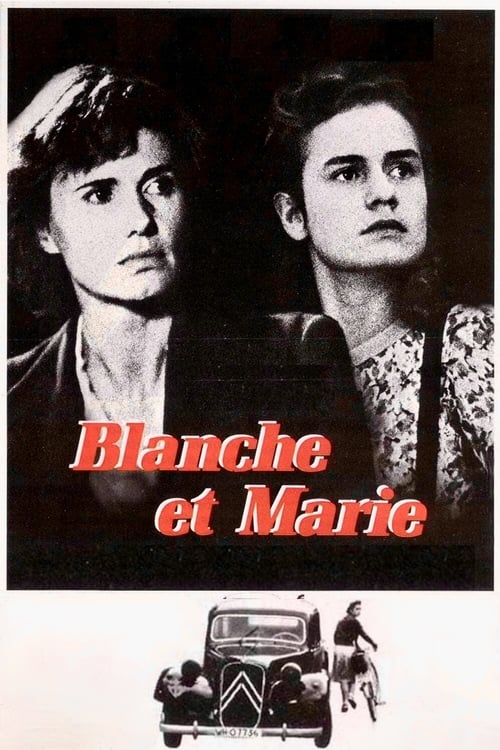
Blanche et Marie provides a compelling look at the French Resistance by prioritizing the active roles of women over traditional military hierarchies. By centering the story on women like Blanche and Marie, the film elevates domestic life into a sphere of political action. While the film successfully challenges traditional gender roles, it remains constrained by its historical setting. The cast reflects a homogeneous European demographic, and the narrative lacks representation of LGBTQ+ identities or characters with disabilities. Ultimately, the film's strength lies in its character-driven approach to wartime survival, offering a meaningful perspective on how ordinary citizens resist systemic oppression.
Category Breakdown
The film centers around traditional family structures, focusing on Blanche, her husband Victor, and their children. There are no LGBTQ+ characters or non-straight relationships portrayed in the narrative.
The story shifts the focus from male combatants to women during wartime, highlighting the active roles of women like Blanche and Marie in the Resistance. These characters transition from domestic duties to active participation in the resistance effort.
Set in a small town in Northern France during 1941, the cast appears predominantly homogeneous, reflecting the historical demographic realities of the region during that time.
The film examines systemic oppression and the disruption of social order under occupation. It highlights the importance of challenging authority to maintain autonomy through decentralized, civilian-led movements.
There is no mention of characters with visible or invisible disabilities in the narrative.
Present on Screen
Limited or Absent
Official Synopsis
A little town in the north of France, 1941. Blanche has three children. She worries about her husband Victor, who often goes out at night. Actually, Victor belongs to the Resistance. Soon, Blanche will be a resistant too. In the network, there is also Germinal, the hairdresser. His daughter Marie knows everything and asks to be part of it... Chronicle of the occupation and of the resistance through the eyes of the women.
1970
2009
2011
2024
2011

1975
1981
1943
No reviews yet. Be the first to share your thoughts on this movie!
Use the rating form above to leave a star rating and optional review.