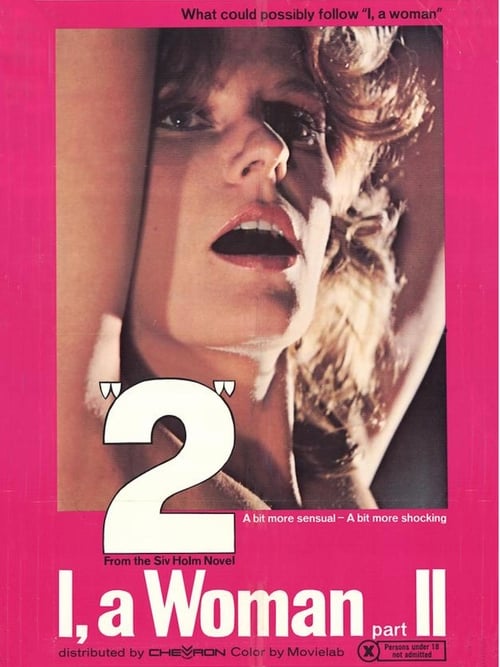
I, a Woman Part II
1968
No user ratings available yet
Diversity score: 4.9 out of 10
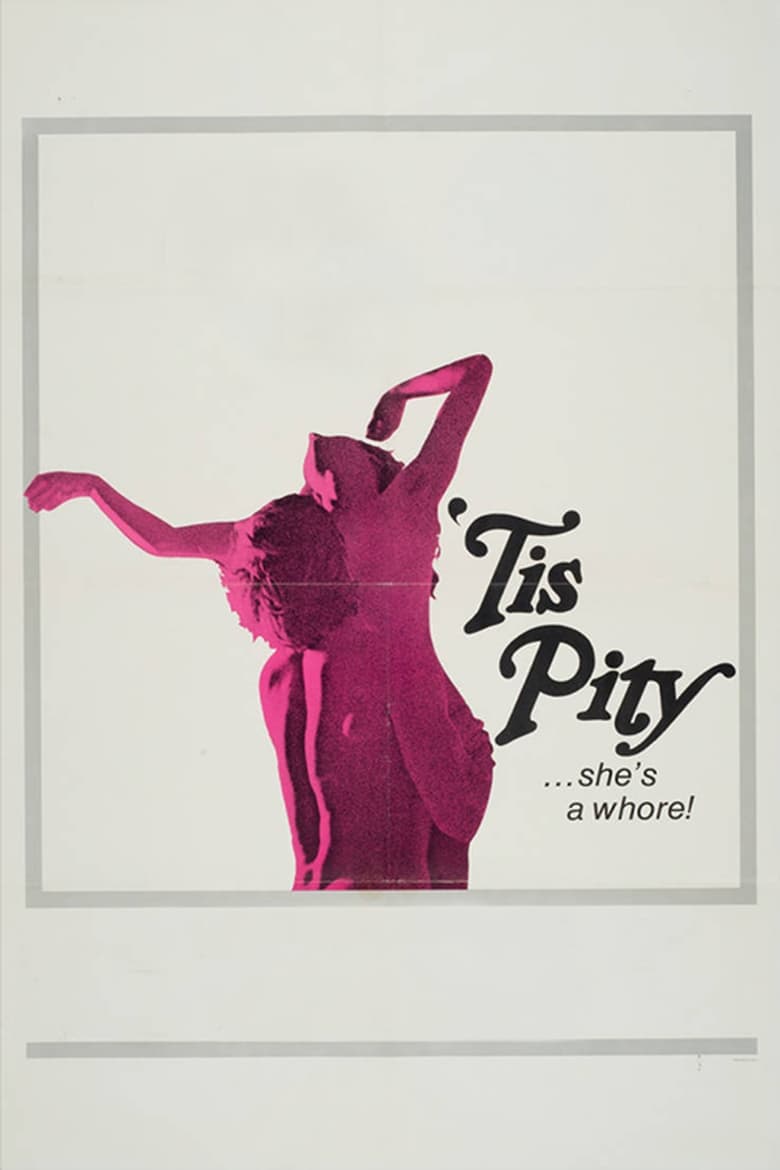
1971
XDirector
Giuseppe Patroni Griffi
Runtime
105 minutes
Average Rating
No ratings yetSynopsis
Annabella marries Soranzo. She happens to also be pregnant by Giovanni — who also happens to be her brother. Destiny, and jealousies threaten to expose her past, and Soranzo plots revenge.
Overall Score
Fair
Category Breakdown
LGBTQ+ Representation
The film operates within a traditional heteronormative framework. While the central conflict involves extreme social transgression, it lacks explicit LGBTQ+ identities or non-cisnormative gender expressions.
Gender Representation
Annabella serves as a central agent rather than a passive figure. Her sexual choices and agency drive the tragedy, subverting traditional depictions of submissive femininity.
Racial & Ethnic Diversity
The production adheres to the homogeneous aristocratic standards of a Renaissance-era Italian court. There is no evidence of intentional ethnic blending or race-bent casting.
Religious & Cultural Diversity
The narrative critiques Western institutions by framing religious and familial hierarchies as hypocritical. It positions individual passion in direct opposition to oppressive, rigid moral codes.
Disability Representation
There is no evidence of disability, neurodivergence, or chronic illness being utilized as central themes or character traits.
Strengths
Areas for Improvement
AI Analysis
The film is a study in narrative transgression, prioritizing individual passion over institutional stability. It succeeds in deconstructing traditional Western morality by centering on female agency and the rejection of religious authority. However, the work remains limited by its historical setting and focus. It lacks modern intersectional markers, specifically regarding racial diversity and LGBTQ+ representation, adhering instead to the homogeneous standards of its period. Ultimately, the film's strength lies in its challenge to social hierarchies. It portrays the breakdown of the family unit as an inevitable consequence of individual autonomy against restrictive societal forces.
1968
1969

1975

1986

1996

1992

1986

1991
1952
1969

2016

1977
No reviews yet. Be the first to share your thoughts on this movie!
Use the rating form above to leave a star rating and optional review.