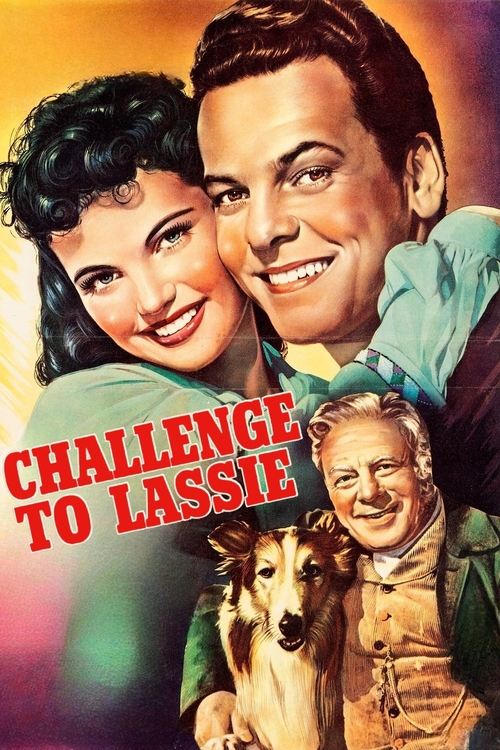
Challenge to Lassie
1949
No user ratings available yet
Representation score: 0.3 out of 10
Representation Score
Minimal
1946
GDirector
Fred M. Wilcox
Runtime
92 minutes
Average Rating
No ratings yetNew Showbiz Analysis
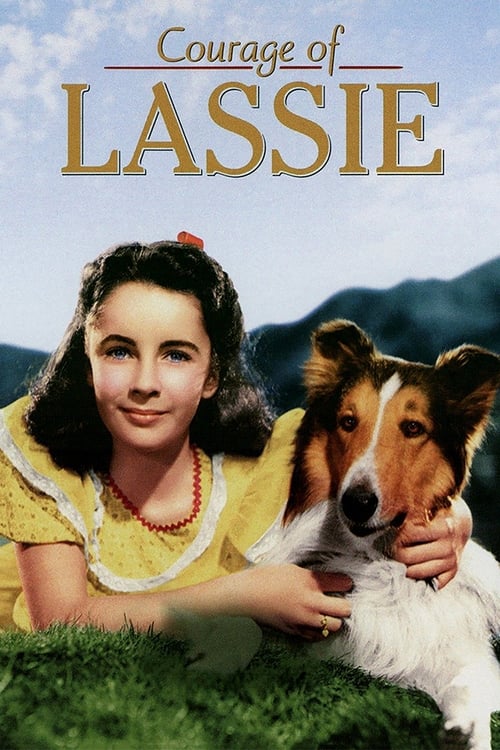
Courage of Lassie functions as a classic pastoral drama that reinforces mid-century social orders. The story prioritizes themes of loyalty and domestic stability, adhering strictly to the traditional narrative structures of the 1940s. The film offers little disruption of established cultural norms. It presents a world of moral certainty where preserving the status quo is the primary goal. Ultimately, the work lacks complexity in its portrayal of diverse identities. It focuses on a localized, ethnically uniform perspective that aligns with the period's standards for rural historical dramas.
Category Breakdown
The film does not depict any non-straight or non-cisgender identities. The social framework assumes everyone is straight and cisgender.
The story relies on traditional gender roles. While Kathie is a central character, the plot emphasizes masculine responsibility and duty.
The cast is homogeneous, reflecting the Scottish Highlands setting. There are no characters from different racial backgrounds.
The film promotes a single, moralistic worldview centered on Western values. It celebrates the sanctity of the family unit and obedience to authority.
The depiction of battle fatigue in the dog serves as a plot device for tension. It lacks a nuanced exploration of psychological trauma.
Present on Screen
Limited or Absent
Official Synopsis
Bill's separated from his litter, making friends with the wild creatures until he's found and adopted by young Kathie. An accident separates him from her, and he's drafted into K-9 duty in the trenches until battle fatigue takes its toll and he turns vicious. And even though he finds his way back home, he may be condemned as a killer.
1949
1943
1958
1957

2022
2005

2021
1946
No reviews yet. Be the first to share your thoughts on this movie!
Use the rating form above to leave a star rating and optional review.