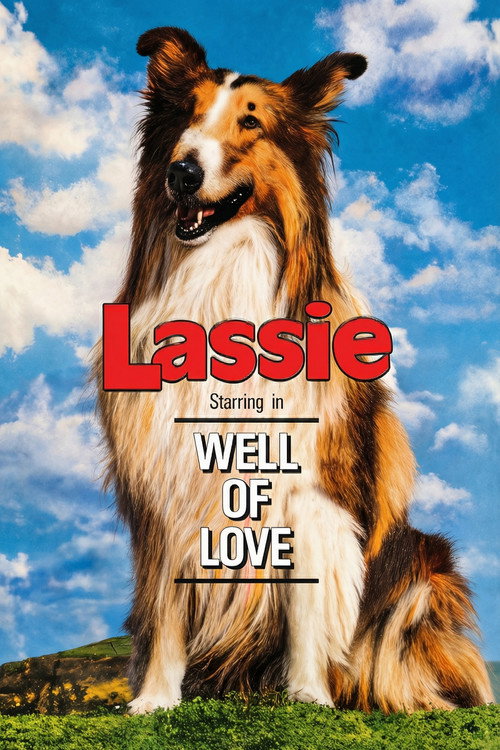
Lassie: Well of Love
1970
No user ratings available yet
Representation score: 2.0 out of 10

Representation Score
Minimal
1949
GDirector
Richard Thorpe
Runtime
76 minutes
Average Rating
No ratings yetNew Showbiz Analysis
Lassie's challenge in the film exemplifies post-WWII traditionalist cinema. The narrative prioritizes themes of loyalty and the preservation of the nuclear family, operating within a highly conventional social framework. The film lacks multi-layered depth, offering a streamlined depiction of rural life that reinforces established social hierarchies. Ultimately, the work upholds the stability of the patriarchal family unit and traditional Western values.
Category Breakdown
The film does not include any visible or implied LGBTQ+ characters. It follows the assumption that everyone is straight or cisgender.
Gender roles adhere to traditional mid-century hierarchies. Male characters serve as primary authority figures, while female characters are primarily confined to the domestic sphere.
The cast and setting reflect a homogeneous demographic. The narrative lacks racial or ethnic diversity, presenting a singular, Western-centric view of rural life.
The story reinforces traditional Western institutions and moral frameworks. It upholds values of social order, property, and the sanctity of the family unit.
There are no notable depictions of physical, sensory, or neurodivergent disabilities. Characters are portrayed through a lens of standard physical ability.
Present on Screen
Limited or Absent
Official Synopsis
When Lassie's master dies, an old friend tries to convince a judge that the dog's life should be spared.
1970
1943
1978
1957
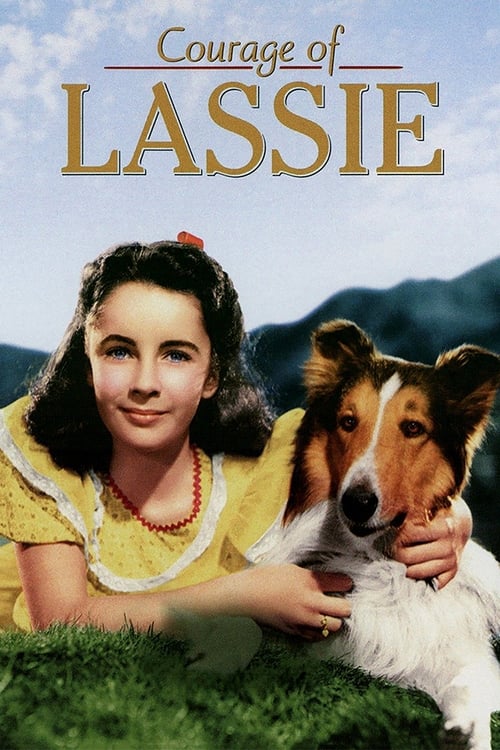
1946
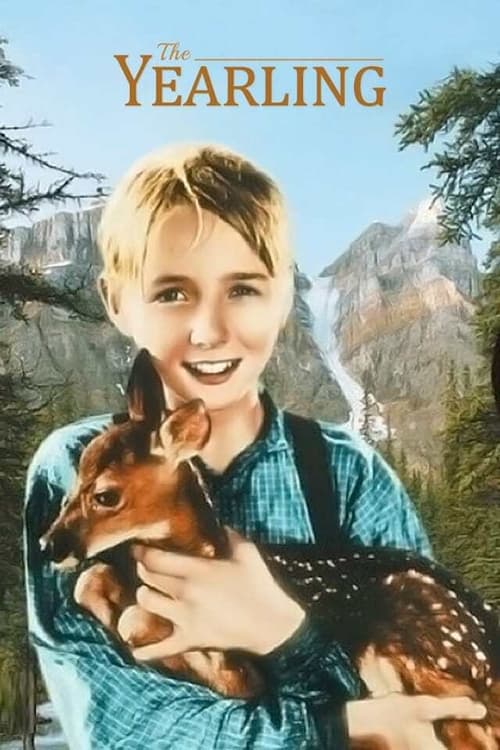
1946
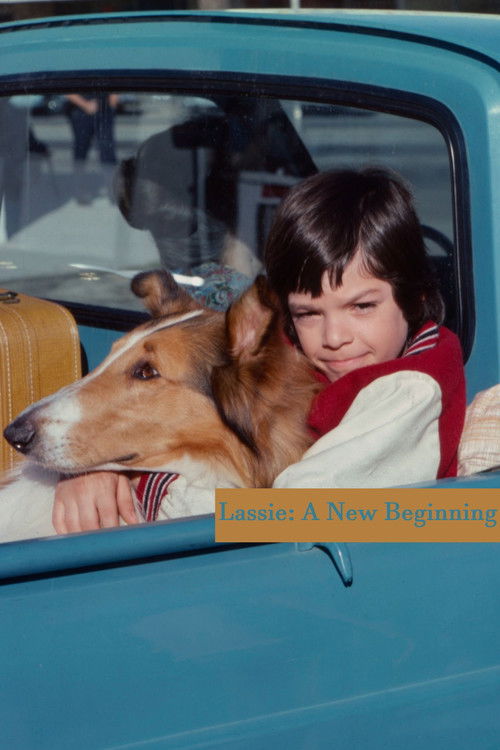
1978
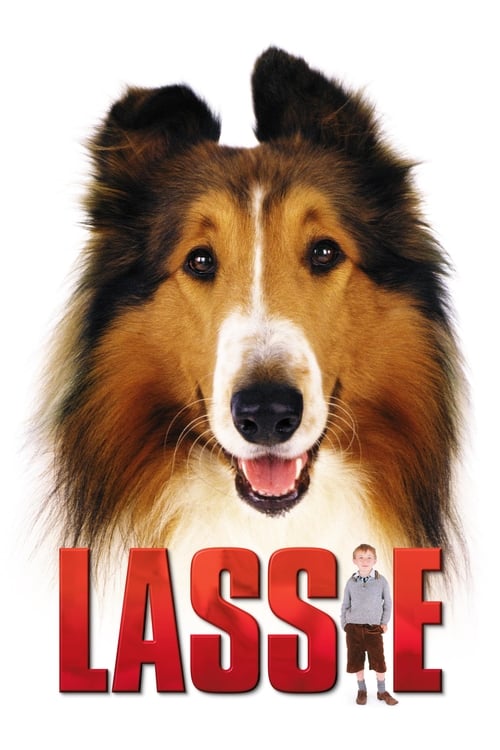
2005
No reviews yet. Be the first to share your thoughts on this movie!
Use the rating form above to leave a star rating and optional review.