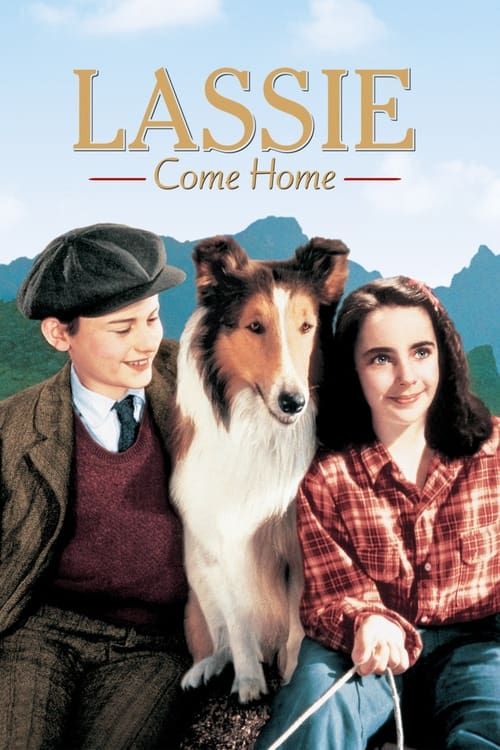
Lassie Come Home
1943
No user ratings available yet
Representation score: 0.4 out of 10

Representation Score
Minimal
2005
PGDirector
Charles Sturridge
Runtime
100 minutes
Average Rating
No ratings yetNew Showbiz Analysis
Lassie (2005) is a period piece that prioritizes historical authenticity over contemporary social issues. By strictly adhering to the social norms of the 1940s Scottish Highlands, the film upholds mid-century Western values rather than challenging them. The narrative relies on classic storytelling formulas centered around family unity and economic hardship. While this creates a sense of historical realism, it lacks diverse perspectives or character identities. Overall, the film reinforces traditional structures. It does not aim to disrupt established norms, focusing instead on a conventional moral message.
Category Breakdown
The film does not include any visible LGBTQ+ characters or explore non-straight relationships. It focuses solely on heterosexual relationships within a traditional family unit.
The characters follow mid-20th century stereotypes. Men are portrayed as the primary breadwinners, while women are shown primarily in nurturing and domestic roles.
The cast is uniform, representing the specific socioeconomic and geographic context of 1940s rural Scotland. The film depicts a culturally homogeneous environment without diverse backgrounds.
The story highlights traditional Western values such as duty and loyalty. It emphasizes the stability of the traditional family structure without critiquing the broader societal forces at play.
The film does not depict any prominent physical, sensory, or neurodivergent disabilities. The narrative centers entirely on the relationship between the humans and the dog.
Present on Screen
Limited or Absent
Official Synopsis
A family in financial crisis is forced to sell Lassie, their beloved dog. Hundreds of miles away from her true family, Lassie escapes and sets out on a journey home.
1943
1985

2019

2005
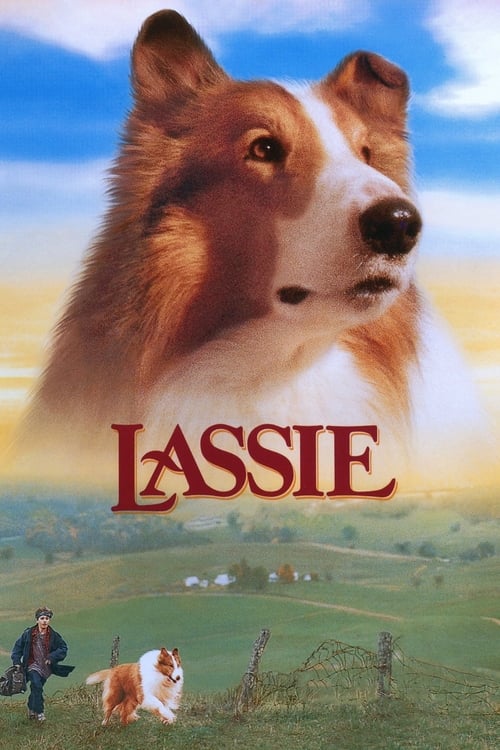
1994
1957

2006
1963
No reviews yet. Be the first to share your thoughts on this movie!
Use the rating form above to leave a star rating and optional review.