Courage of Lassie
1946
No user ratings available yet
Representation score: 1.5 out of 10
Representation Score
Limited
1958
Director
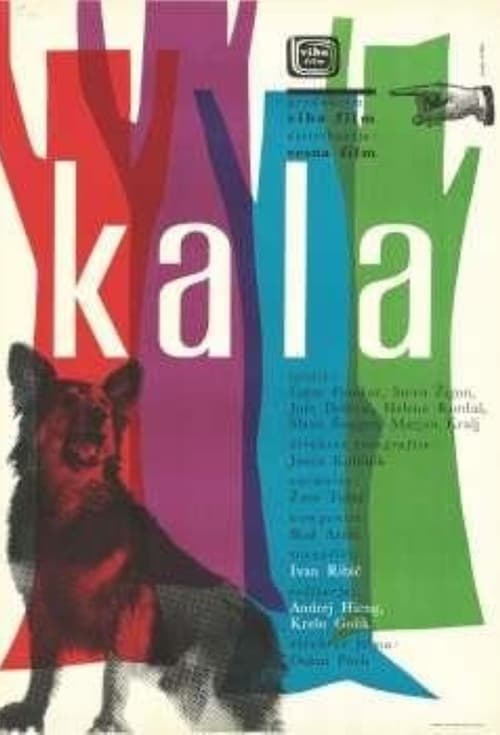
Krešimir Golik, Andrej Hieng
Runtime
68 minutes
Average Rating
No ratings yetNew Showbiz Analysis
Kala is a culturally specific film that prioritizes the preservation of mid-century Mediterranean social norms. It serves more as a historical document than a subversive work. The film focuses on established social norms and does not offer multi-layered complexity, limiting its scope to a specific Yugoslav locale. While it captures a unique cultural identity, it does not represent diverse gender identities, sexual orientations, or varied ethnic backgrounds.
Category Breakdown
The film follows the social norms typical of mid-20th-century Mediterranean coastal communities, showing no evidence of non-traditional gender identities or same-sex relationships.
The story centers around traditional masculine figures, reflecting the gender roles and social hierarchy common in the era's Dalmatian setting.
The film presents a culturally uniform view of the Dalmatian people, celebrating a localized identity without challenging ethnic hierarchies.
The story preserves cultural heritage and local traditions, reinforcing traditional institutions like the family without critique.
No information is available regarding the portrayal of physical disabilities or neurodivergence in this film.
Present on Screen
Limited or Absent
Official Synopsis
The only true friend he had was an wolf. Or was it a dog?
1946

2005
1972

2021

2021
1991

1977
1988
No reviews yet. Be the first to share your thoughts on this movie!
Use the rating form above to leave a star rating and optional review.