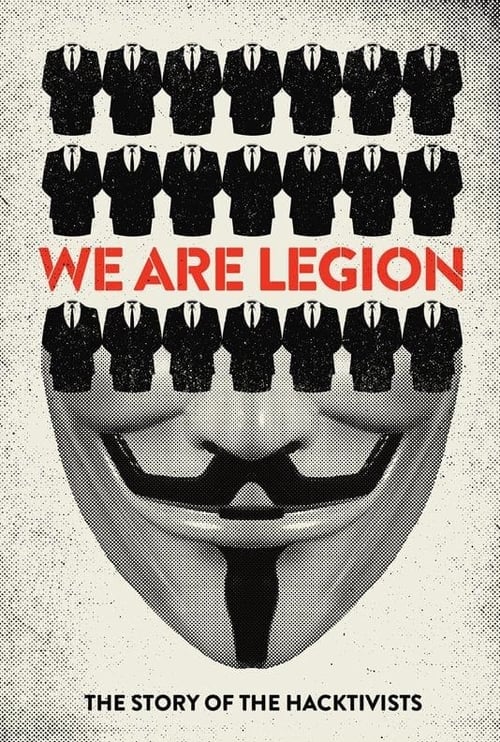
We Are Legion: The Story of the Hacktivists
2012
No user ratings available yet
Representation score: 7.8 out of 10
Representation Score
Limited
2016
PG-13Director
Alex Gibney
Runtime
116 minutes
Average Rating
No ratings yetNew Showbiz Analysis
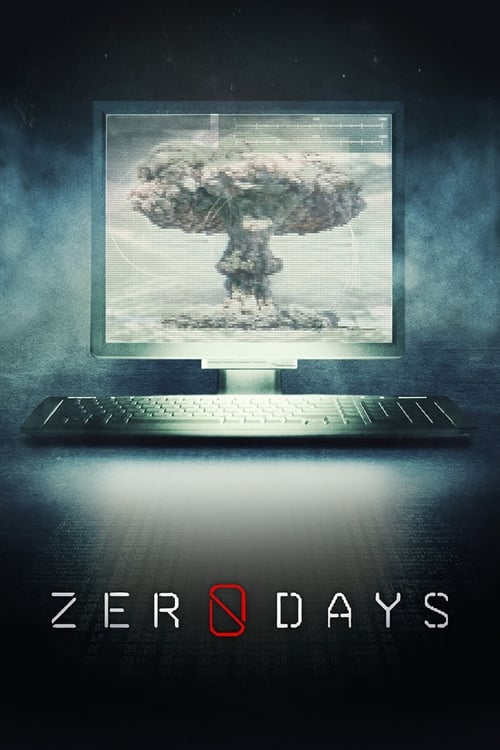
Zero Days is a specialized investigative documentary that prioritizes geopolitical and technical analysis over identity-based representation. Its low scores in gender, LGBTQ+, and disability categories reflect the narrow, male-dominated field of high-level intelligence and cybersecurity it examines. However, the film provides significant value through its cultural critique. It challenges the perceived competence and moral clarity of Western state institutions. By framing digital warfare as a chaotic, systemic risk, it offers a sophisticated subversion of traditional power hierarchies. Ultimately, the film's diversity is found in its intellectual perspective rather than its demographic breadth. It succeeds as a critical examination of global authority, even while remaining limited in its portrayal of diverse human identities.
Category Breakdown
The documentary focuses on technical, geopolitical, and intelligence-based subject matter. There are no LGBTQ+ characters or narratives addressing non-straight or non-cisgender identities.
The narrative is dominated by male experts and intelligence officers. It lacks women's ability to drive the story, reflecting the male-dominated cybersecurity sectors depicted.
The film centers on tensions between Western powers and Iran. While international in scope, the primary perspectives belong to Western intelligence and technical experts.
The film excels at deconstructing Western institutional authority. It critiques the legality of state-sponsored digital warfare and the destabilizing nature of geopolitical power structures.
There is no discernible focus on physical or neurodivergent representation within this technical and political investigative documentary.
Present on Screen
Limited or Absent
Official Synopsis
Alex Gibney explores the phenomenon of Stuxnet, a self-replicating computer virus discovered in 2010 by international IT experts. Evidently commissioned by the US and Israeli governments, this malware was designed to specifically sabotage Iran’s nuclear programme. However, the complex computer worm ended up not only infecting its intended target but also spreading uncontrollably.
2012
2013
2016

2015
2019

2015
2019

2013
No reviews yet. Be the first to share your thoughts on this movie!
Use the rating form above to leave a star rating and optional review.