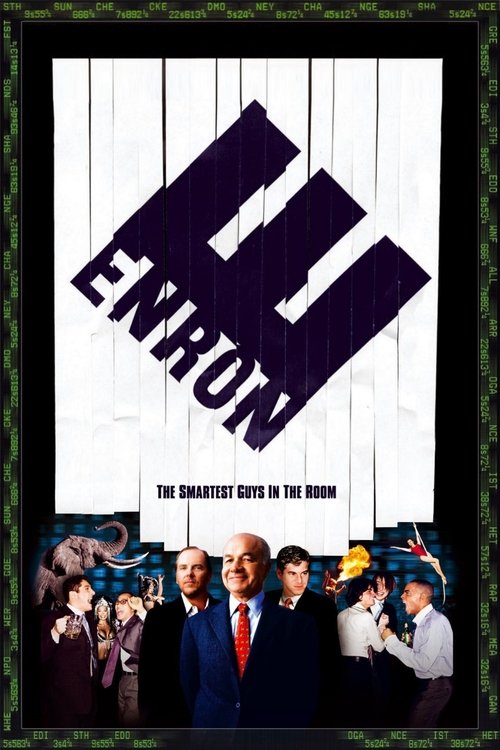
Enron: The Smartest Guys in the Room
2005
No user ratings available yet
Representation score: 1.4 out of 10

Representation Score
Good
2019
TV-14Director
Alex Gibney
Runtime
119 minutes
Average Rating
No ratings yetNew Showbiz Analysis
The film stands out as a systemic critique, dismantling the myth of infallible American innovators and highlighting the failures of regulatory oversight. Using the Theranos scandal, it delves into power dynamics and the moral relativism of unchecked corporate greed. However, the documentary lacks broad demographic representation. The central figures and power structures are predominantly white and Anglo-Saxon, offering little diversity. LGBTQ+, racial, and disability perspectives are entirely absent from the narrative.
Category Breakdown
The documentary does not include any meaningful focus on LGBTQ+ identities. The narrative centers on the corporate and legal consequences of the Theranos scandal.
The film explores how Elizabeth Holmes adopted masculine traits to gain credibility in a male-dominated sector. It highlights how gendered expectations shape professional success.
The narrative focuses on the socioeconomic elite of Silicon Valley, portrayed as a largely uniform group. It lacks diverse racial or ethnic representation.
The film critically examines late-stage capitalism and the 'cult of personality' in the tech industry. It questions the sanctity of Western corporate and regulatory systems.
The documentary does not address disability or neurodivergence. It does not explore the lived experiences of those with physical or sensory impairments.
Present on Screen
Limited or Absent
Official Synopsis
With a magical new invention that promised to revolutionize blood testing, Elizabeth Holmes became the world’s youngest self-made billionaire, heralded as the next Steve Jobs. Then, overnight, her 10-billion-dollar company dissolved. The rise and fall of Theranos is a window into the psychology of fraud.
2005
2015

2019
2016
2015

2010
2010

2019
No reviews yet. Be the first to share your thoughts on this movie!
Use the rating form above to leave a star rating and optional review.