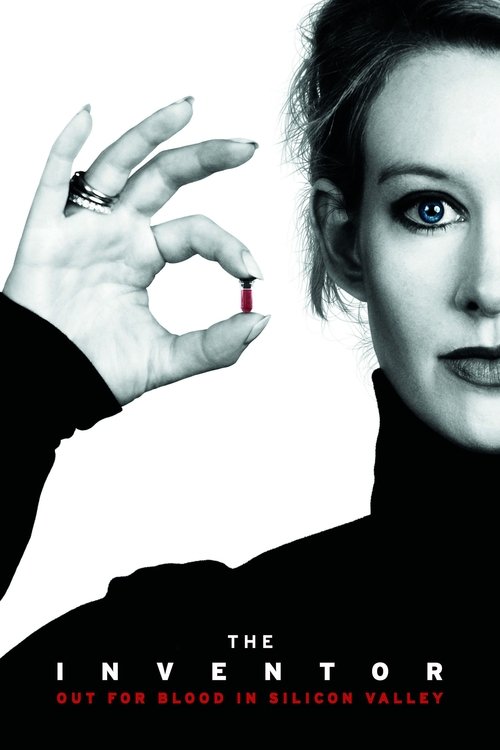
The Inventor: Out for Blood in Silicon Valley
2019
No user ratings available yet
Representation score: 6.0 out of 10
Representation Score
Fair
2015
RDirector
Alex Gibney
Runtime
129 minutes
Average Rating
No ratings yetNew Showbiz Analysis
The documentary stands out as a critical deconstruction of an iconic figure, avoiding the sanitized portrayal typical of biographical films. It excels in its nuanced exploration of LGBTQ+ identity and its postmodern critique of capitalist culture. However, the film is constrained by the historical context of its subject. The lack of racial and gender diversity reflects the era's tech culture, resulting in a narrow demographic focus. Ultimately, the film prioritizes intellectual depth over a broad range of diverse characters.
Category Breakdown
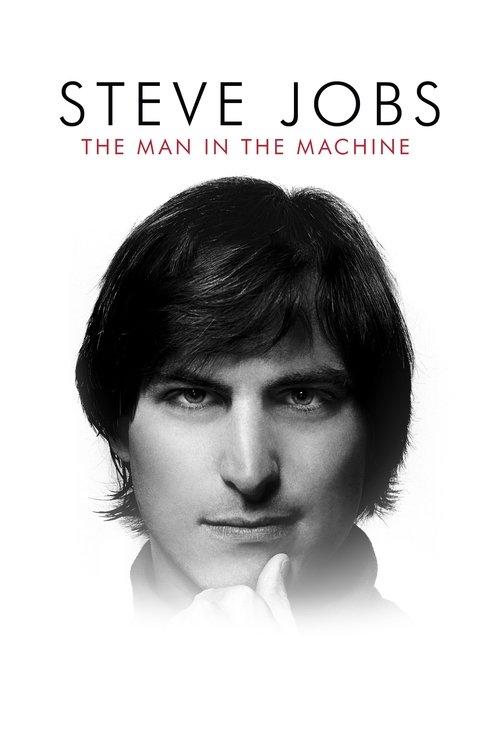
The film explores Steve Jobs's private sexual identity and how it influenced his public image. It goes beyond a straightforward biography to examine the tension between his personal life and corporate persona.
The movie centers on a male-dominated corporate environment typical of early Silicon Valley. While Lisa Brennan-Jobs offers a unique female viewpoint, she remains secondary to the male-driven power dynamics.
The documentary highlights the socioeconomic and racial homogeneity of the early tech industry. It focuses on a predominantly white demographic without emphasizing non-white perspectives or multi-layered diversity.
The film critiques Western capitalist ideals and the consumerist mindset. It deconstructs the 'tech visionary' stereotype by examining the moral relativism and systemic issues behind Jobs's quest for perfection.
The film does not significantly address visible or invisible disabilities. It does not feature characters portrayed through the lens of neurodivergence or chronic illness.
Present on Screen
Limited or Absent
Official Synopsis
When Steve Jobs died the world wept. But what accounted for the grief of millions of people who didn’t know him? This evocative film navigates Jobs' path from a small house in the suburbs, to zen temples in Japan, to the CEO's office of the world's richest company, exploring how Jobs’ life and work shaped our relationship with the computer. The Man in the Machine is a provocative and sometimes startling re-evaluation of the legacy of an icon.
2019
2009
2016

2007

2016

2017

2011

2018
No reviews yet. Be the first to share your thoughts on this movie!
Use the rating form above to leave a star rating and optional review.