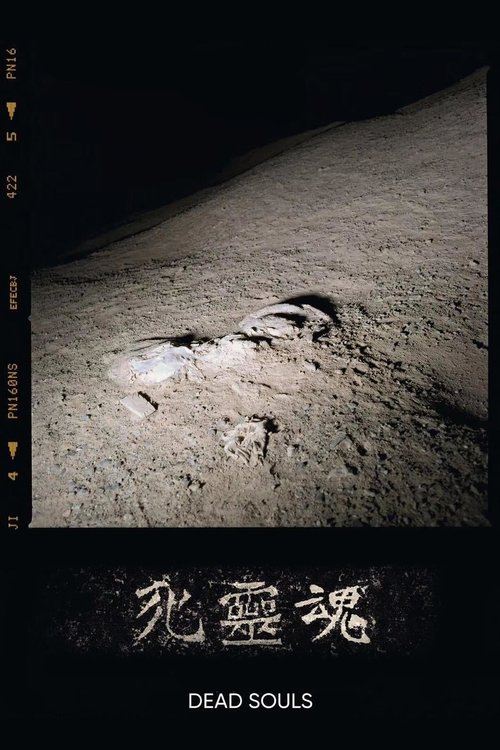
Dead Souls
2018
No user ratings available yet
Representation score: 6.5 out of 10
Representation Score
Excellent
2023
Director
Wang Bing
Runtime
60 minutes
Average Rating
No ratings yetNew Showbiz Analysis
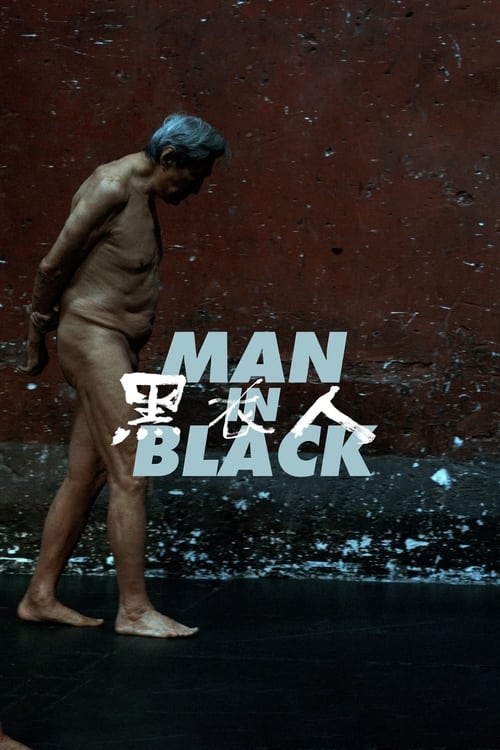
Wang Bing’s documentary serves as a powerful piece of testimonial cinema. It disrupts conventional historical narratives by centering the lived experience of Wang Xilin, a composer persecuted during the Cultural Revolution. The film effectively uses music and memory to critique institutionalized power. The work succeeds in providing a vital non-Western perspective, challenging state-sanctioned myths through the lens of individual survival. It frames the state as a source of dehumanization, offering a profound look at cultural preservation under pressure. While the film lacks explicit focus on LGBTQ+ or specific gender subversions, its strength lies in its deep engagement with cultural identity and the psychological impact of systemic oppression.
Category Breakdown
The documentary does not provide explicit evidence regarding LGBTQ+ identities. The score reflects a neutral baseline for a historical film where these themes are not the primary focus.
The narrative centers on the creative ability to act of a male figure. While it does not explicitly challenge gender hierarchies, it highlights individual vulnerability against state power.
The film offers a profound non-Western perspective on historical trauma. By centering a Chinese intellectual, it challenges Western-centric dominance in historical documentary filmmaking.
The work demonstrates high engagement with state institutions, portraying the Cultural Revolution as inherently oppressive. It prioritizes the victim's truth over official state history.
The film explores the psychological and physical scars of imprisonment and torture. These traumas are portrayed with dignity and ability to act rather than as mere spectacle.
Present on Screen
Limited or Absent
Official Synopsis
Wang Xilin, 86, is one of China's most important modern classical composers. During the Cultural Revolution he was the target of severe persecution, enduring beatings, imprisonment and torture. With excerpts from his Symphonies, he revisits for this film some of the horrifying events that still live on in his memory as testimony to an era that saw the dehumanization of the entire Chinese nation.
2018
2012
2007
2019
2006
2014

2010
1996
No reviews yet. Be the first to share your thoughts on this movie!
Use the rating form above to leave a star rating and optional review.