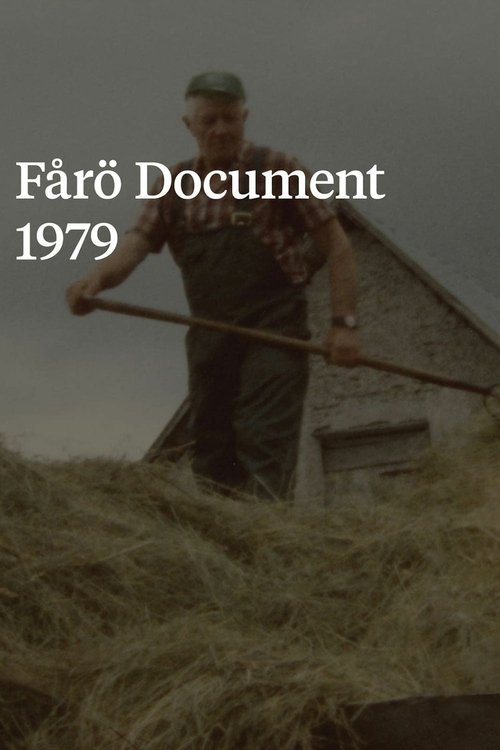
Fårö Document 1979
1979
No user ratings available yet
Representation score: 1.6 out of 10

Representation Score
Limited
1985
Director
Louis Malle
Runtime
95 minutes
Average Rating
No ratings yetNew Showbiz Analysis
God's Country functions as a sociological examination of a Minnesota farming community rather than a film focused on diverse identities. It emphasizes the documentation of economic downturn and political influence over detailed character studies. The film’s strength lies in its critique of systemic economic and political issues. By highlighting the vulnerability of the working class, it challenges the idealized notion of American rural life. However, the film lacks diversity in terms of race, gender roles, and LGBTQ+ representation, reflecting the demographic uniformity of the specific region and time period it portrays.
Category Breakdown
The film focuses on a midwestern farming community without featuring any LGBTQ+ characters or stories about non-straight relationships.
The movie looks at how economic changes affect the gender roles in a farming community, documenting the impact on both domestic and agricultural tasks.
The story reflects the predominantly white population of rural Minnesota during the time period shown. There is no indication of intentional racial diversity or non-white actors.
The film criticizes the economic and political factors that led to the decline of the American agrarian lifestyle. It challenges the idea of a perfect rural life by showing how institutional changes caused this decline.
There is no information about the depiction of physical or cognitive disabilities in this documentary.
Present on Screen
Limited or Absent
Official Synopsis
In 1979, Louis Malle films the thriving lives of a Minnesota farming community, but returns six years later to document its drastic economic decline, offering a poignant look at the impact of political changes.
1979
1963

1970
1989

1968

2013

1991

2019
No reviews yet. Be the first to share your thoughts on this movie!
Use the rating form above to leave a star rating and optional review.