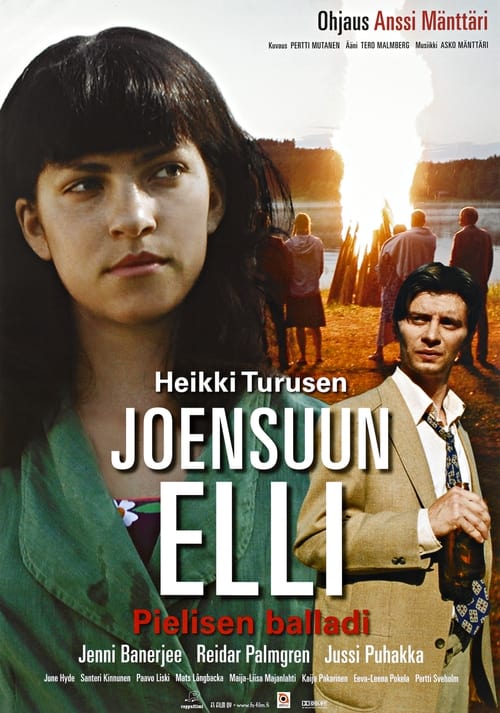
Joensuun Elli
2004
No user ratings available yet
Representation score: 3.1 out of 10

Representation Score
Limited
1998
Director
Markku Pölönen
Runtime
85 minutes
Average Rating
No ratings yetNew Showbiz Analysis
A Summer by the River is a period-specific character study that prioritizes regional authenticity over modern multi-layered frameworks. The narrative reflects the demographic homogeneity and social constraints of 1950s Finland. While the film does not actively promote progressive subversion, it finds depth in the relationship between a widowed father and his child, offering a focus on personal ability to act within a traditional setting. Ultimately, the film functions as a localized drama that adheres to the historical realities of its North Karelian setting.
Category Breakdown
The film does not include any explicit LGBTQ+ characters or stories that challenge the assumption that everyone is straight or cisgender. It centers on a traditional father-son relationship in the 1950s.
The story emphasizes a male-dominated household with a widowed father and his son. Despite the lack of female protagonists, it allows for nuanced emotional exploration within this setup.
Set in 1950s North Karelia, the film reflects the historically homogeneous population of that time. There is no indication of diverse ethnic or racial casting.
The narrative highlights regional identity and a period of historical change. It focuses on a boating site, suggesting a localized, nature-oriented perspective rather than an urban or religious one.
There is no documentation showing the portrayal of physical or neurodivergent disabilities in this film.
Present on Screen
Limited or Absent
Official Synopsis
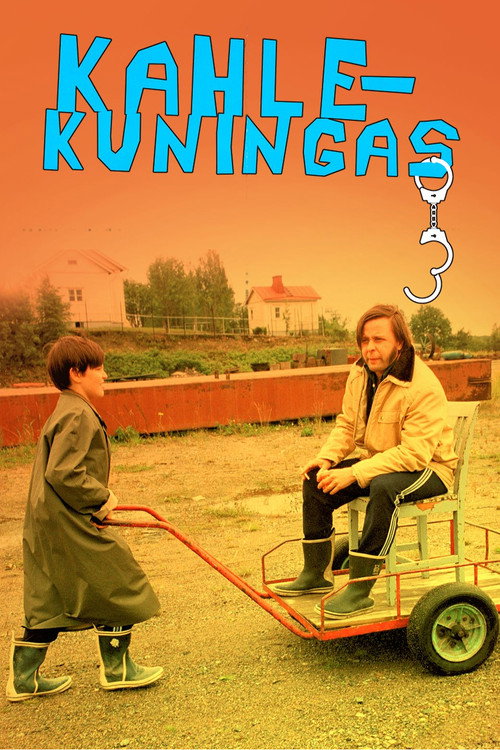
Kuningasjätkä is set in North Karelia in the mid-1950s and depicts the summer of 10-year-old Topi at the boating site with his widowed father Tenho.
2004
1985
2002
1999
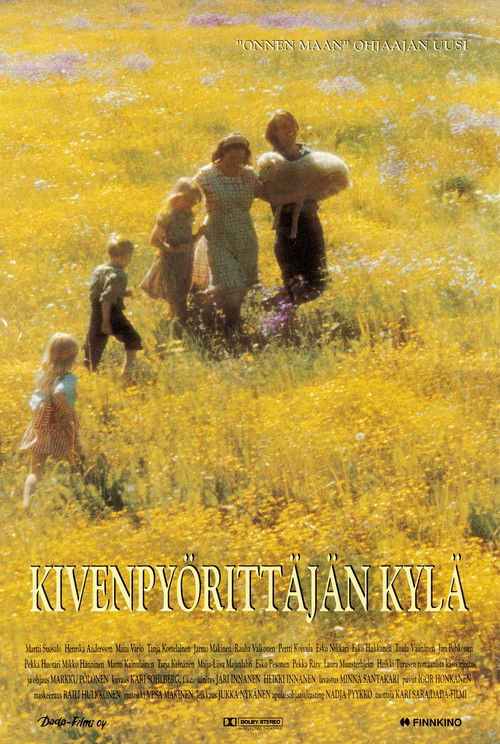
1995
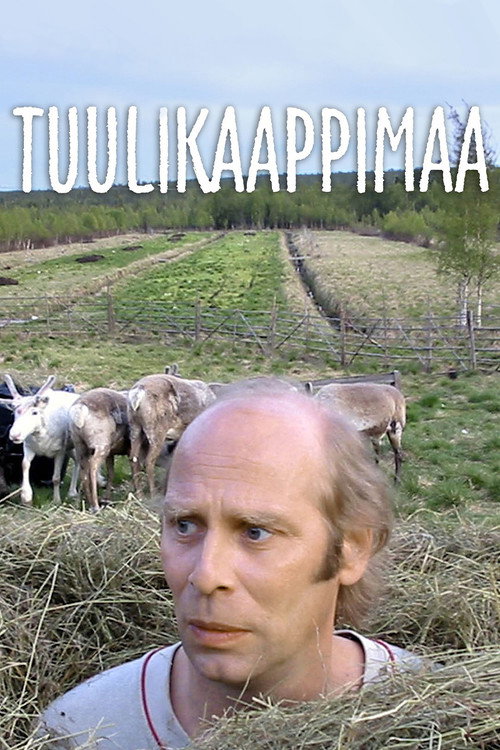
2003
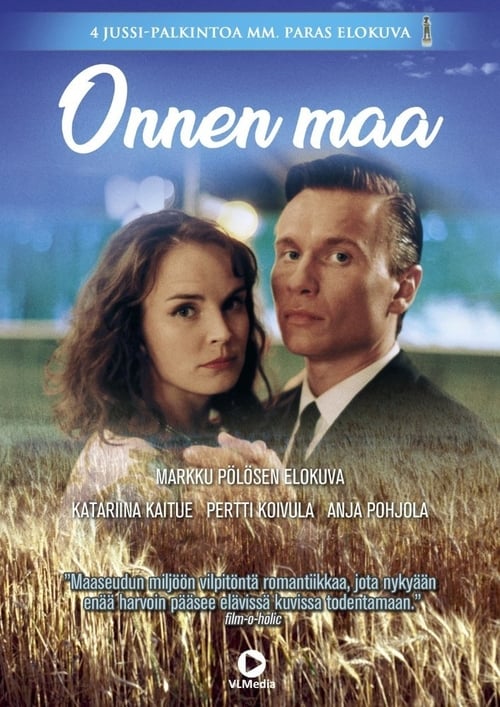
1993
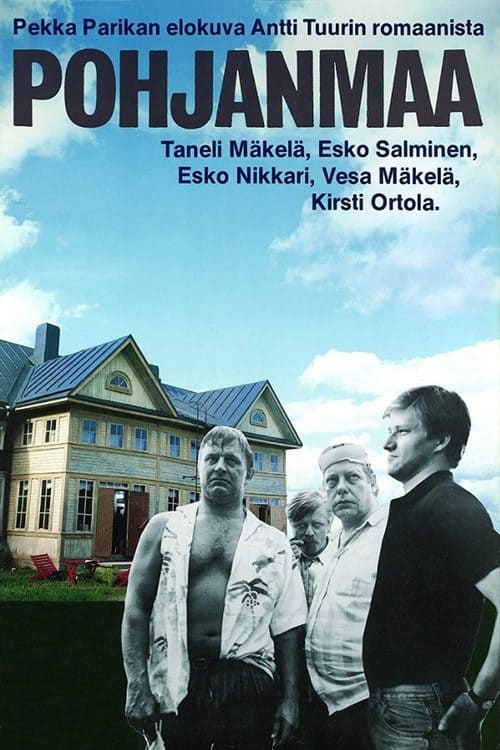
1988
No reviews yet. Be the first to share your thoughts on this movie!
Use the rating form above to leave a star rating and optional review.