Sonatine
1993
No user ratings available yet
Representation score: 0.8 out of 10
Representation Score
Limited
1968
Not RatedDirector
Keiichi Ozawa
Runtime
86 minutes
Average Rating
No ratings yetNew Showbiz Analysis
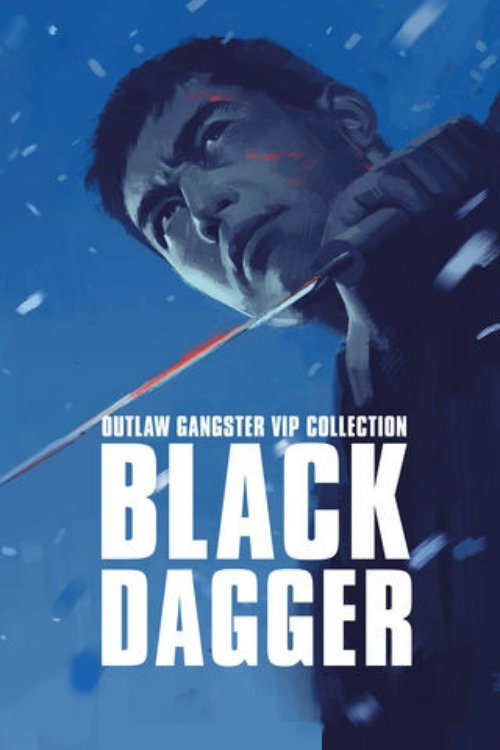
Outlaw: Black Dagger operates as a traditional 1960s crime thriller, emphasizing masculine conflict and a fatalistic outlook on social order. The narrative architecture prioritizes these elements over the inclusion of diverse identities. While the female lead, Yuri, exhibits emotional independence by returning to the chaos, her character arc is ultimately defined by tragedy and her connection to the male lead. This reinforces mid-century clichés where women serve as emotional anchors rather than autonomous figures. The film maintains a culturally consistent Japanese setting, focusing on the internal dynamics of gang warfare. It lacks the complexity needed to explore multi-layered diversity or systemic critiques beyond standard genre conventions.
Category Breakdown
The film focuses on a traditional romantic relationship between Goro and Yuri. There are no representations of LGBTQ+ identities or challenges to straight-centered structures.
Yuri shows emotional independence by defying Goro's orders to stay safe. However, her role remains primarily as a catalyst for Goro's journey rather than an independent driver.
Set in the Kansai region, the film portrays a culturally uniform Japanese society. It emphasizes local social hierarchies and gang structures within a specific historical context.
The story delves into themes of loyalty and the fatalistic outcomes of an outlaw lifestyle. It follows traditional genre conventions regarding interpersonal morality and street warfare.
The narrative does not include any visible or invisible disabilities as part of its storyline.
Present on Screen
Limited or Absent
Official Synopsis
A street war breaks loose between two rival gangs in the Kansai region of Japan. Goro is in the middle of action. Through a knife fight against Sueo, a high profile gangster from Busou-kai, Goro notices a familiar face approaching him from amidst the chaos - his girlfriend, Yuri. Goro had sent her to safety, but she had returned, aching to see him. Caught between Goro and his enemy knife, she reunites with her love - the price was her life.
1993
1973
1979
1967
1969
1977
1968
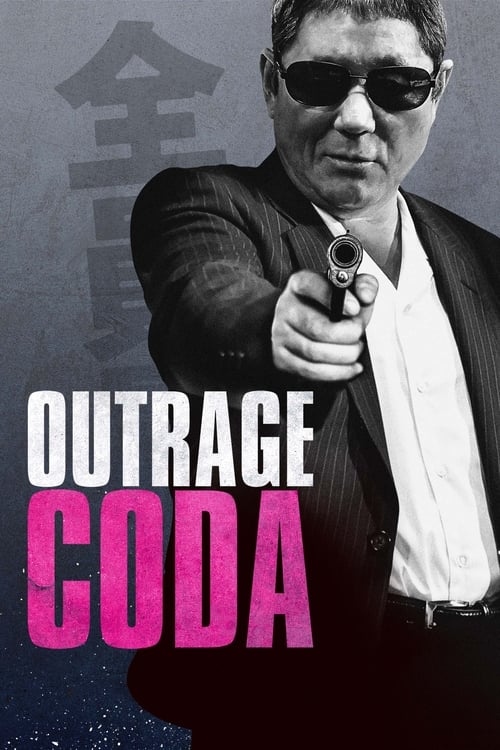
2017
No reviews yet. Be the first to share your thoughts on this movie!
Use the rating form above to leave a star rating and optional review.