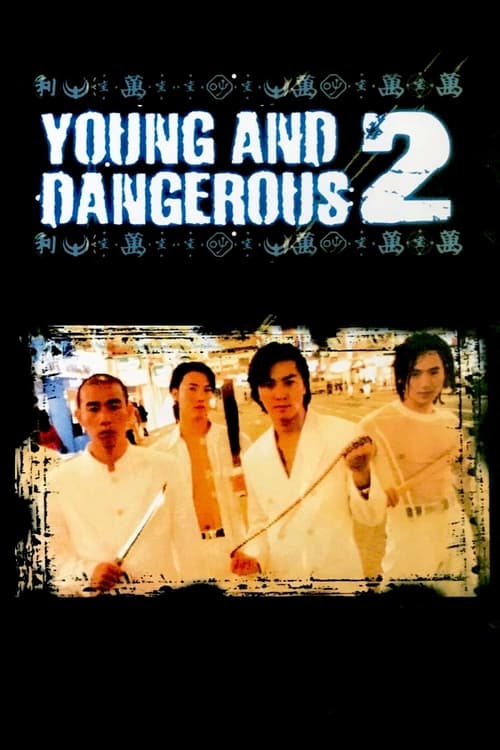
Young and Dangerous 2
1996
No user ratings available yet
Representation score: 2.1 out of 10
Representation Score
Fair
2000
Director
Andrew Lau Wai-Keung
Runtime
118 minutes
Average Rating
No ratings yetNew Showbiz Analysis
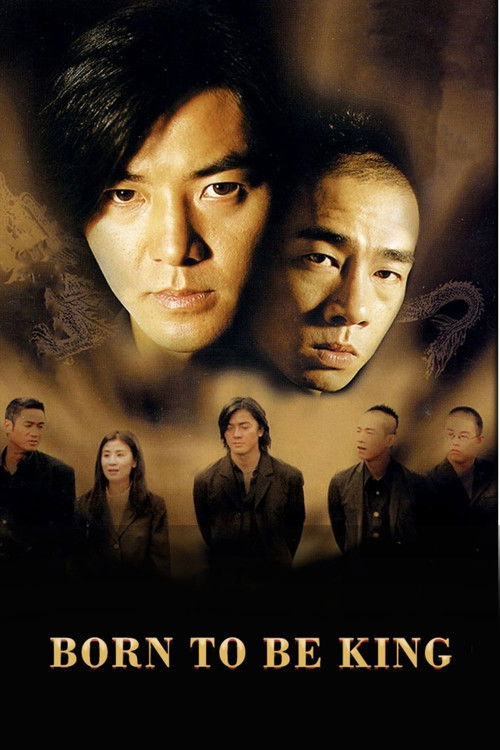
Born to Be King is a traditional crime thriller that relies heavily on established genre clichés. While it moves beyond a single-culture setting by involving both Hong Kong and Japanese organizations, the narrative remains firmly rooted in conventional structures. The film's diversity is limited by its focus on masculine power dynamics and traditional social hierarchies. These elements keep the story within the bounds of standard underworld fiction. Ultimately, the film offers moderate ethnic crossover but lacks the intentionality to disrupt gendered or social expectations, functioning primarily as a kinetic action drama.
Category Breakdown
The film focuses on traditional power dynamics within arranged marriages and does not include narratives that critique the assumption that everyone is straight or cisgender or non-assuming gender matches what was assigned at birth gender identities.
The story centers on male-dominated power structures within criminal organizations. The female protagonist, Nanako, serves primarily as a strategic asset in a political marriage.
The film depicts cross-cultural engagement between Hong Kong and Japanese criminal organizations, providing a blend of ethnic identities.
The plot explores friction between Taiwanese/Hong Kong and Japanese entities but focuses on the internal morality of the underworld rather than broader social critiques.
There is no mention of characters possessing visible or invisible disabilities, so no assessment can be made regarding the portrayal of neurodivergence or physical impairments.
Present on Screen
Limited or Absent
Official Synopsis
Triad member Chicken is designated by Taiwan's San Luen Gang to marry Nanako, the daughter of the fifth generation leader of the Yamada Gang in Japan. Later, the leader of the triad group gets murdered. Actually, all the San Luen Gang members suspect Chicken attacked their leader Liu, in order to make a chance for him to rule the Gang and thus have adopted an extremely hostile attitude towards him.
1996
1992
1997
1987
1996

2000
1998
1998
No reviews yet. Be the first to share your thoughts on this movie!
Use the rating form above to leave a star rating and optional review.