
The Merry Widow
1934
No user ratings available yet
Representation score: 5.1 out of 10
Representation Score
Limited
1932
Director
Max Ophüls
Runtime
77 minutes
Average Rating
No ratings yetNew Showbiz Analysis
Max Ophüls’ adaptation prioritizes historical and genre authenticity over social upheaval. The film follows the established narrative structure of 19th-century Central European folklore, emphasizing romantic ideals and class-based strategies. While the film provides a nuanced view of individual control versus socioeconomic constraints, it does not fundamentally challenge traditional social hierarchies. The progressive value lies in the protagonist's emotional independence, presented as a personal victory rather than a systemic issue. Ultimately, the production stays within the traditional operatic storytelling framework of the early 1930s musical genre.
Category Breakdown
The movie focuses solely on heterosexual relationships and does not include any characters with non-binary gender identities or same-sex relationships.
Marie shows significant control over her life by rejecting a marriage based on financial convenience. However, the resolution relies on traditional romantic clichés rather than challenging patriarchal structures.
The film features a mostly white cast set in Central Europe, consistent with its Bohemian setting. It does not blend demographics intentionally or use non-human symbols to represent racial diversity.
The story explores the tension between individual desires and strict socioeconomic structures like marriage contracts. These social conflicts serve as a typical backdrop for romantic comedies.
There are no visible or invisible disabilities shown. Characters are depicted as physically vibrant, fitting the archetype of musical comedy.
Present on Screen
Limited or Absent
Official Synopsis
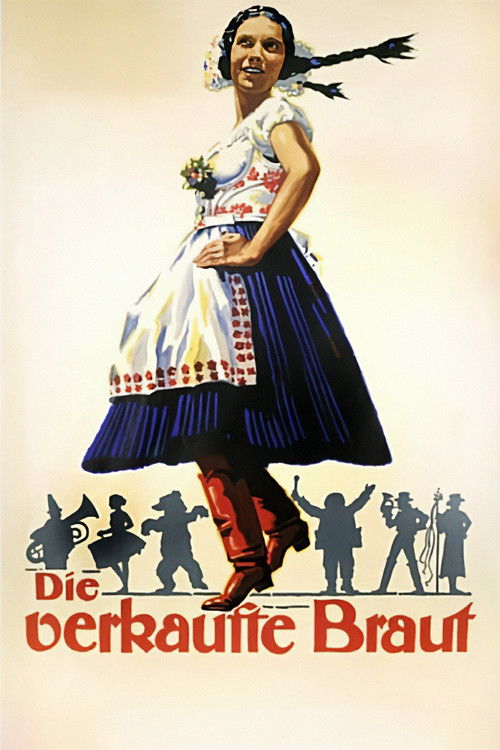
Bohemia in the 19th century, stage-coach driver Hans loves the mayor's daughter Marie, but she is promised Wenzel, the son of another wealthy farmer. Marie refuses to marry Wenzel because of Hans, but the marriage arranger tries to "buy" Marie from Hans. But when Wenzel tells Hans that he doesn't want to marry Marie either because he loves circus director Brummel's daughter, Hans decides to accept the offer of money for not interfering in the relations of Hans and Marie. But when Marie hears about this, she doesn't want to see Hans again.
1934
1937
1952
1962
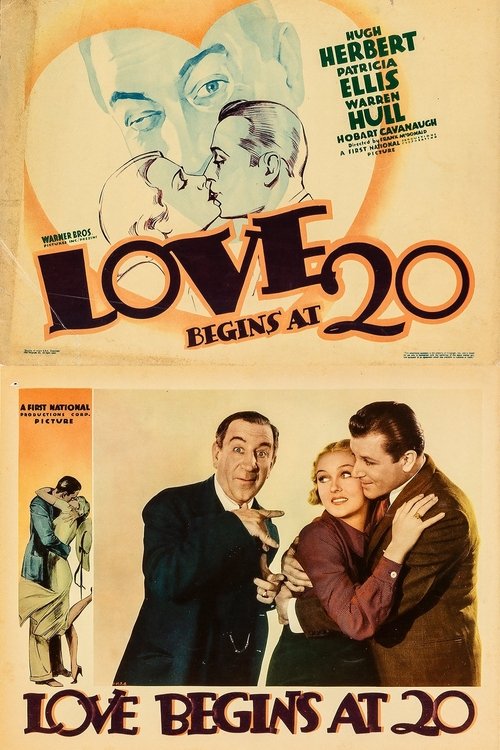
1936
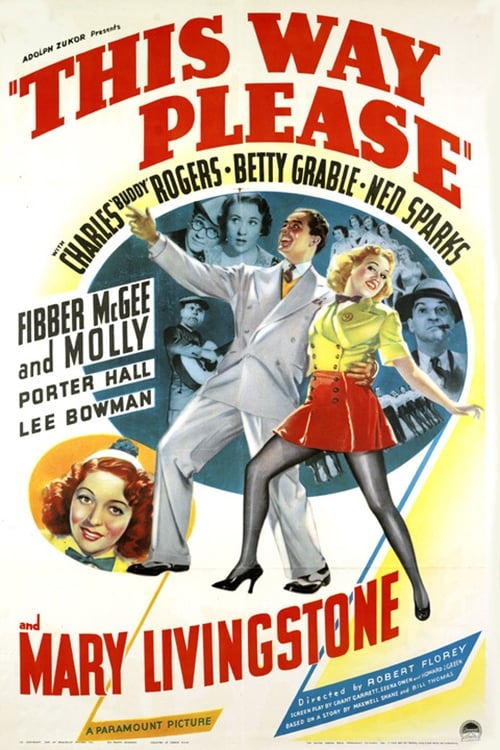
1937
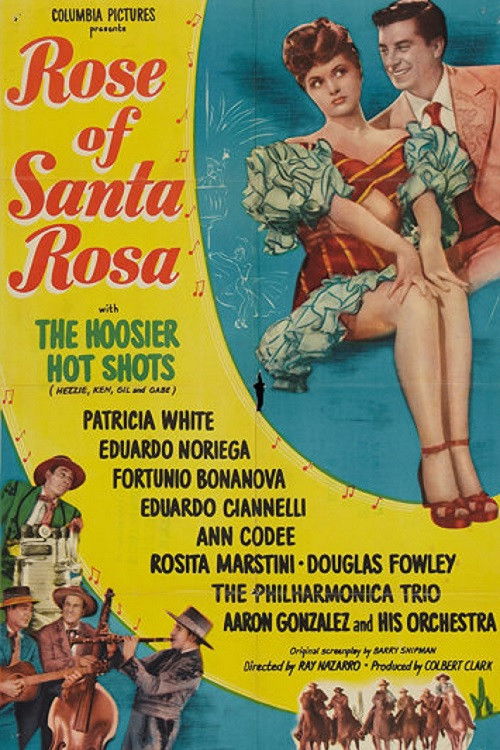
1947
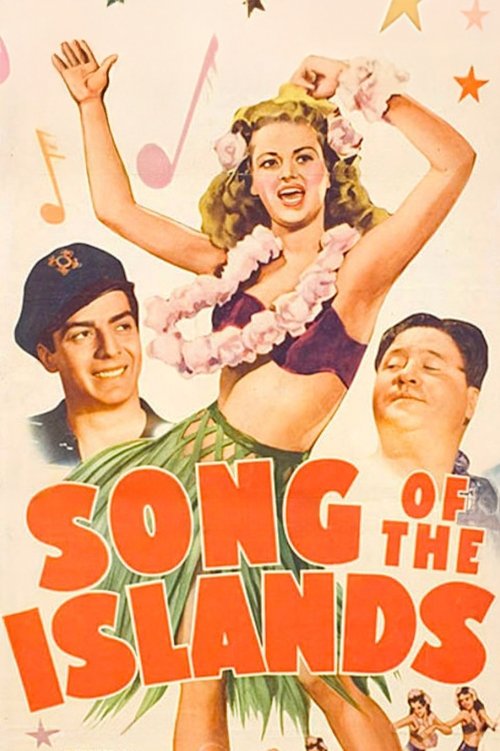
1942
No reviews yet. Be the first to share your thoughts on this movie!
Use the rating form above to leave a star rating and optional review.