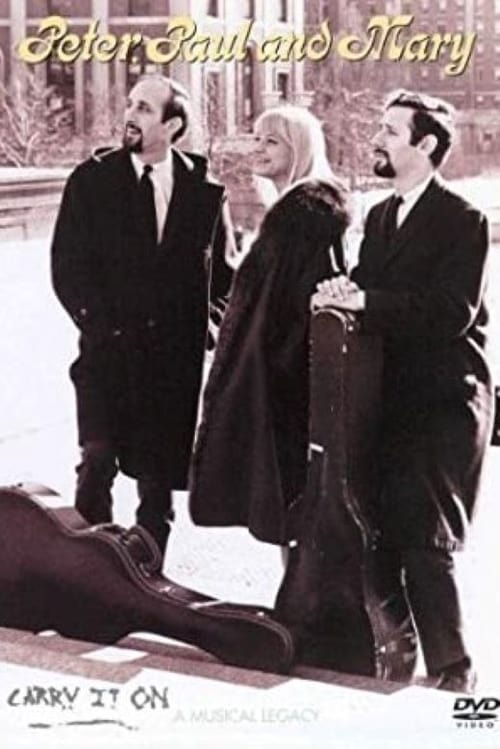
Peter, Paul & Mary: Carry It On
2004
No user ratings available yet
Representation score: 5.3 out of 10

Representation Score
Good
2009
TV-14Director
Mary Wharton
Runtime
90 minutes
Average Rating
No ratings yetNew Showbiz Analysis
This documentary serves as a sophisticated chronicle of multi-layered activism, moving beyond standard biographical clichés. It frames Baez's life through the lens of systemic change and the deconstruction of traditional power dynamics. The film's strength lies in its commitment to portraying racial equity movements and its nuanced depiction of female leadership. By documenting the tension between individual conscience and state authority, the narrative reinforces a progressive worldview. While the film excels in racial and cultural critique, it lacks explicit focus on LGBTQ+ identities or disability representation, which prevents a higher overall score.
Category Breakdown
The film focuses on the Civil Rights and anti-war movements rather than centering LGBTQ+ identities. However, the documentary's broad scope of social liberation provides a foundational space for these identities.
Joan Baez is presented as a leader with significant intellectual and political influence. The film challenges gender clichés by portraying her as a voice of conviction rather than a passive object of the male gaze.
The documentary features actively leading representation of Black activists through archival footage of the Civil Rights Movement. Figures like Jesse Jackson reinforce a multi-layered approach that avoids mere including someone from a minority group without giving them real depth.
The narrative is rooted in a critique of Western institutions and US foreign policy. It frames civil disobedience and anti-war activism as necessary moral stances against established political and military structures.
There is no significant or central depiction of physical or neurodivergent disabilities within the film's archival or biographical context.
Present on Screen
Limited or Absent
Official Synopsis
Following folk musician Joan Baez on her extensive 2008-2009 tour, this film commemorates her career, which has spanned five decades. It includes concert and archival footage as well as interviews with such disparate colleagues, friends and admirers as Bob Dylan, Jesse Jackson and David Crosby. In addition to the music, it also touchs upon Baez's long history of global social activism.
2004
2005

2000
2015
2006

2012
2014
2019
No reviews yet. Be the first to share your thoughts on this movie!
Use the rating form above to leave a star rating and optional review.