Neil Young Journeys
2012
No user ratings available yet
Representation score: 4.3 out of 10
Representation Score
Fair
2000
PG-13Director
Aiyana Elliott
Runtime
112 minutes
Average Rating
No ratings yetNew Showbiz Analysis
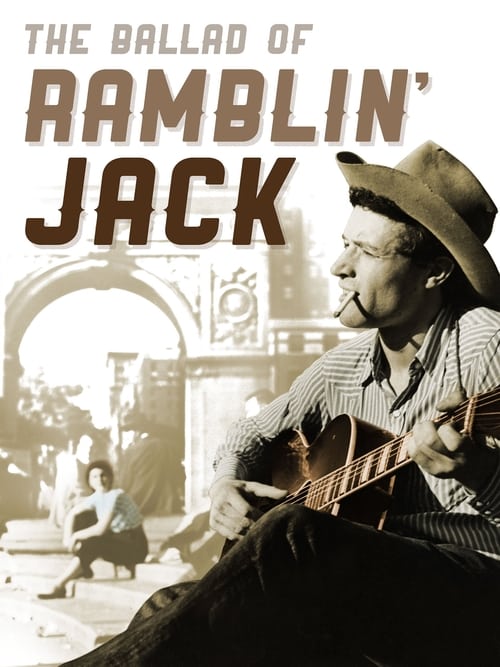
This documentary offers a nuanced look at legacy by focusing on a daughter's personal investigation rather than a traditional 'great man' biography. This shift provides a richer exploration of identity and memory. While the film delves into diverse musical landscapes and multi-ethnic histories, it centers on a white male subject. Its strength lies in challenging Western myths through personal, archival exploration, though it does not explicitly address LGBTQ+ or disability themes. Ultimately, the film dismantles historical myths through a subjective, intimate lens, but it could benefit from broader representation.
Category Breakdown
The film focuses on the biographical journey of Ramblin' Jack Elliott and his daughter. There are no explicit depictions of LGBTQ+ identities or relationships outside of straight norms.
Aiyana Elliott challenges traditional documentary norms by taking the lead role as the primary investigator. She shifts from being a passive observer to actively driving the story forward.
The film explores a musical heritage spanning Brooklyn, the American South, and Europe. It highlights the multi-ethnic nature of mid-century folk traditions and global musical exchanges.
The documentary questions the myth of the American West through a family-focused lens. It emphasizes personal truth and a nomadic lifestyle over fixed, patriotic ideals.
The film does not provide any specific information about the portrayal of physical or neurodivergent disabilities.
Present on Screen
Limited or Absent
Official Synopsis
With the help of her mother, family, friends, and fellow musicians, Aiyana Elliott reaches for her father, legendary cowboy troubadour, Ramblin' Jack Elliott. She explores who he is and how he got there, working back and forth between archival and contemporary footage. Born in 1932 in Brooklyn, busking through the South and West in the early 50s, a year with Woody Guthrie, six years flatpicking in Europe, a triumphant return to Greenwich Village in the early 60s, mentoring Bob Dylan, then life on the road, from gig to gig, singing and telling stories. A Grammy and the National Medal of Arts await Jack near the end of a long trail. What will Aiyana find for herself?
2012
2005
2009
2019

2007
1999
2018
2018
No reviews yet. Be the first to share your thoughts on this movie!
Use the rating form above to leave a star rating and optional review.