Critical Condition
1987
No user ratings available yet
Representation score: 5.9 out of 10
Representation Score
Good
1988
RDirector
Michael Ritchie
Runtime
97 minutes
Average Rating
No ratings yetNew Showbiz Analysis
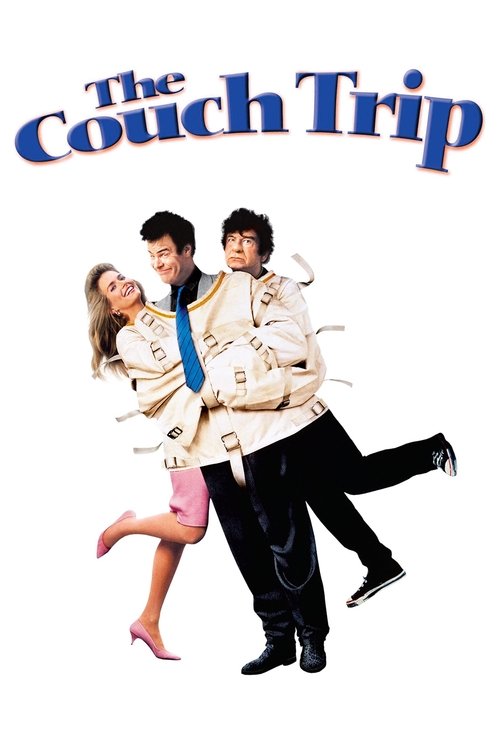
The Couch Trip functions primarily as a satire of institutional authority. By centering the plot on a mental patient impersonating a psychiatrist, the film uses comedy to challenge the perceived sanctity of professional expertise and social hierarchies. While the film offers a unique lens on mental health and systemic instability, it lacks documented evidence of diverse racial, ethnic, or LGBTQ+ representation. The narrative appears heavily centered on a male-driven identity swap. Ultimately, the film's diversity is thematic rather than demographic. It succeeds in challenging social structures through its premise, even if the cast composition remains unverified and largely traditional.
Category Breakdown
The film does not explicitly include LGBTQ+ characters or explore non-straight relationships. The story focuses on identity substitution and disrupting institutional norms.
The story centers on a male protagonist exercising professional authority. While female character's ability to drive the story is not detailed, the disruption of psychiatric hierarchies suggests a potential deconstruction of social roles.
There is no specific information regarding the racial composition of the cast or the ethnic backgrounds of the characters. The ensemble lacks documented characters who reflect more than one aspect of diversity.
The film critiques the sanctity of Western institutions by having a delinquent usurp a medical professional's role. This framing challenges the reliability of systemic authority and social order.
Mental health and neurodivergence are central to the plot through the protagonist's status as an escaped patient. This provides a platform for exploring non-normative cognitive experiences.
Present on Screen
Limited or Absent
Official Synopsis
The escaped mental patient and delinquent John W. Burns Jr. replaces Dr. Maitlin on a radio show, saying he's the psychiatrist Lawrence Baird.
1987

1983

1991

1986

1979

1990

2004

1999
No reviews yet. Be the first to share your thoughts on this movie!
Use the rating form above to leave a star rating and optional review.