
The Lion
2020
No user ratings available yet
Representation score: 6.8 out of 10
Representation Score
Fair
2016
Not RatedDirector
Derin Seale
Runtime
13 minutes
Average Rating
No ratings yetNew Showbiz Analysis
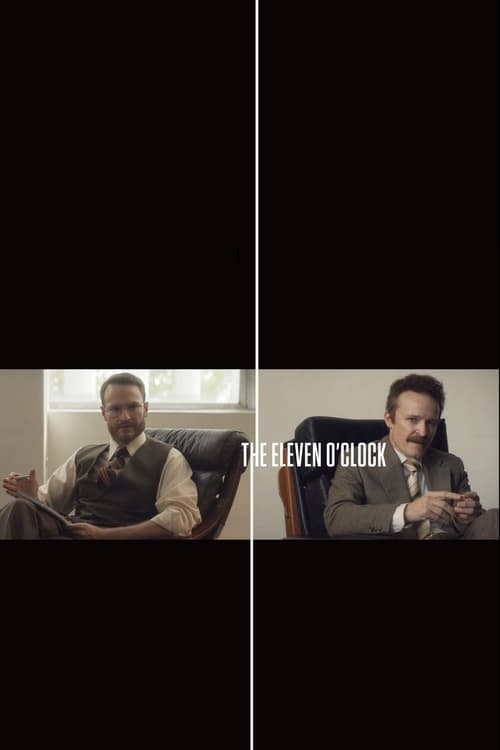
The Eleven O'Clock is an absurdist comedy that questions the stability of social roles and professional hierarchies. By blurring the lines between doctor and patient, the film challenges the status quo of institutional authority. However, the film lacks depth in representing diverse identities. There is no clear evidence of racial or ethnic diversity in the cast, nor does it provide specific representation for the LGBTQ+ community. Overall, the film serves as a psychological study of identity and power dynamics, but it falls short in providing broad social representation.
Category Breakdown
The film does not include any specific LGBTQ+ character arcs or romantic subplots. While there is potential for exploring identity, there is no clear indication of queer-coded narratives.
The central conflict challenges traditional professional hierarchies by questioning the roles of authority and competence based on gendered expectations.
There is no evidence of a diverse or non-Anglo-Saxon majority cast. Without specific casting details, the film does not demonstrate a departure from traditional casting norms.
The film critiques Western clinical institutions by emphasizing subjective truths and moral relativism over institutional stability.
The film portrays neurodivergence and mental health issues through interactions where characters actively engage in treatment, suggesting a nuanced and empowered view of mental health.
Present on Screen
Limited or Absent
Official Synopsis
The delusional patient of a psychiatrist believes he is actually the psychiatrist. As they each attempt to treat each other the session gets out of control.
2020

2019
2013

1997
2014

2021
2009
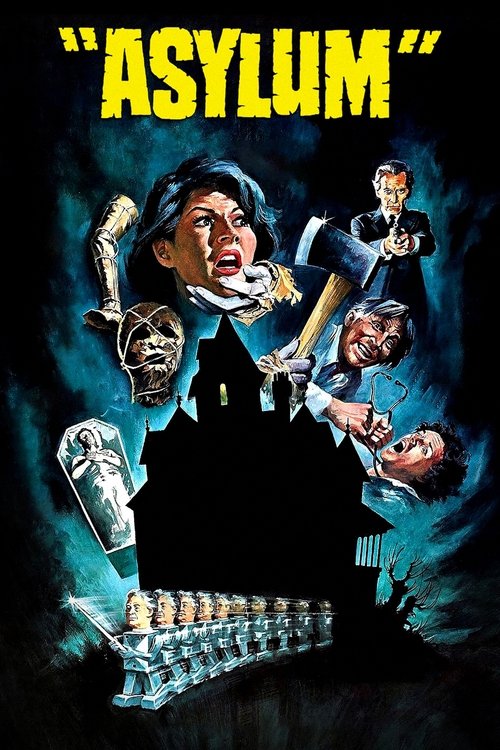
1972
No reviews yet. Be the first to share your thoughts on this movie!
Use the rating form above to leave a star rating and optional review.