The Young Seducers 3
1972
No user ratings available yet
Representation score: 2.7 out of 10
Representation Score
Limited
1967
ALDirector
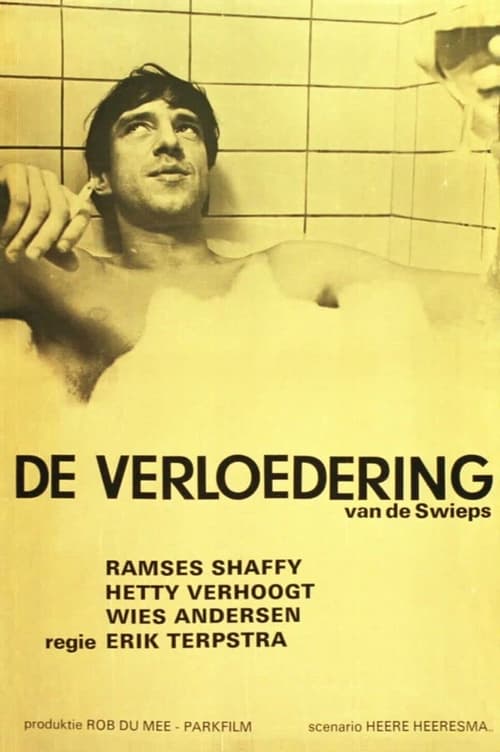
Erik Terpstra
Runtime
80 minutes
Average Rating
No ratings yetNew Showbiz Analysis
The film serves as a period piece reflecting the cultural shifts of the late 1960s. It explores the friction between established societal norms and emerging counter-cultural movements. While it lacks significant representation of diverse identities, it uses the beatnik archetype to challenge the sanctity of the middle-class domestic sphere. The primary narrative value lies in its exploration of the erosion of traditional social structures through comedic disruption.
Category Breakdown
The film does not explicitly depict LGBTQ+ identities or same-sex intimacy. Instead, it focuses on the tension between a middle-class family and a counter-culture hitchhiker.
The story follows a traditional domestic framework centered around a husband, wife, and children. It does not challenge traditional gender roles or provide women with significant control over the story.
The central conflict revolves around social class and subculture rather than race. There is no evidence of a non-white majority cast or actors playing roles outside their traditional backgrounds.
The film critiques Western institutions and the stability of the nuclear family by contrasting a rule-breaking hitchhiker with conventional social norms.
There are no characters identified as having physical, sensory, or neurodivergent disabilities within the narrative.
Present on Screen
Limited or Absent
Official Synopsis
In this debut comedy by director Erik Terpstra, an ordinary middle-class gentleman picks up a colorful but degenerate and no-good beatnik/hippie hitchhiker and inexplicably invites him home to meet the wife and kids. The resulting conflicts between the hitchhiker, who respects no rules or boundaries, and the family, provide the substance for most of the humor in this sincere but not especially well-thought-out film. Reviewers who saw the film at the 1967 Mannheim Film Festival expressed the opinion that it was an unformed work by a promising talent.
1972
1969
1969
1969
1974

1974

1969
1971
No reviews yet. Be the first to share your thoughts on this movie!
Use the rating form above to leave a star rating and optional review.