Babes in the Woods
1962
No user ratings available yet
Representation score: 2.5 out of 10
Representation Score
Fair
1974
RDirector
Gerri Sedley
Runtime
74 minutes
Average Rating
No ratings yetNew Showbiz Analysis
Teenage Hitchhikers showcases a stark contrast between its exploitation genre roots and a narrative of female resistance. While the film employs the visual language of its time, the protagonists maintain a strong sense of ability to act by resisting systemic objectification. However, the film's impact is constrained by a lack of diverse representation. The absence of various racial, ethnic, and LGBTQ+ identities limits the scope of the narrative to a specific subset of the American experience. Ultimately, the film successfully challenges traditional power dynamics through its portrayal of strong female leads, while falling short in providing a broad spectrum of cultural and identity-based representation.
Category Breakdown
The film does not depict LGBTQ+ identities or non-straight relationships. It focuses on the female protagonists navigating a male-dominated world.
The story challenges traditional gender roles by emphasizing female autonomy and self-determination. The female characters refuse to be objectified by the traveling band.
The film seems to lack significant racial or ethnic diversity. It follows the homogeneous casting practices typical of 1970s American exploitation films.
The narrative aligns with themes of rejecting traditional institutions and social norms. The protagonists seek a new life outside established societal norms.
There is no indication that characters with visible or invisible disabilities play a central role in the story or serve as plot devices.
Present on Screen
Limited or Absent
Official Synopsis
Three girls go on the road and run into trouble with the people who give them rides.
1962
1969
1956
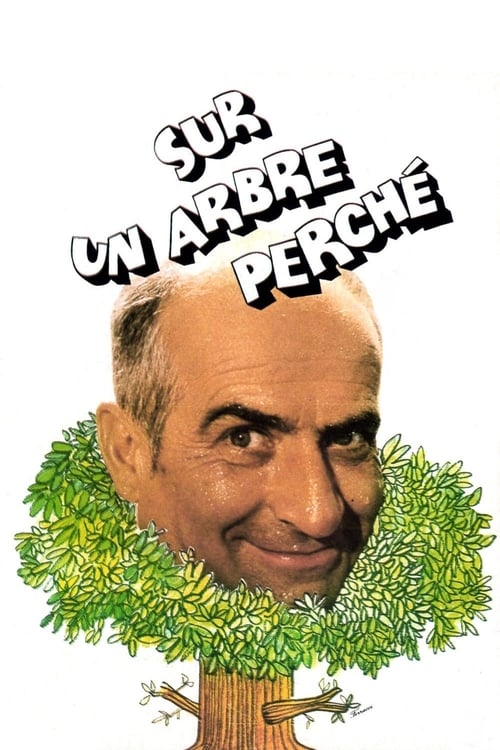
1971
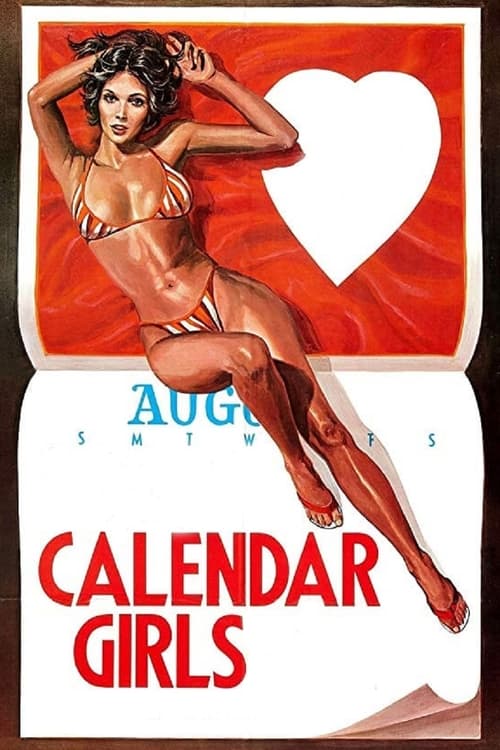
1972
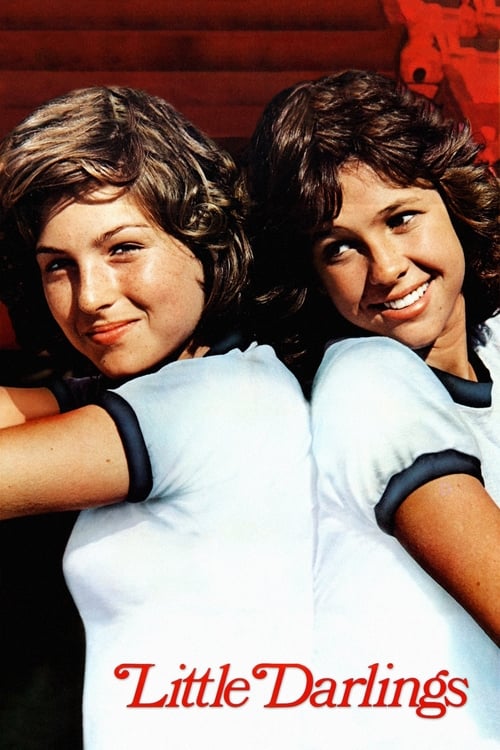
1980
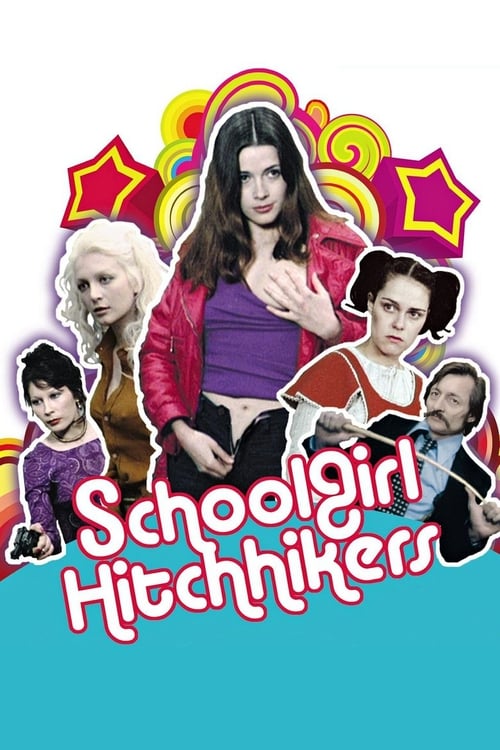
1973
1971
No reviews yet. Be the first to share your thoughts on this movie!
Use the rating form above to leave a star rating and optional review.