
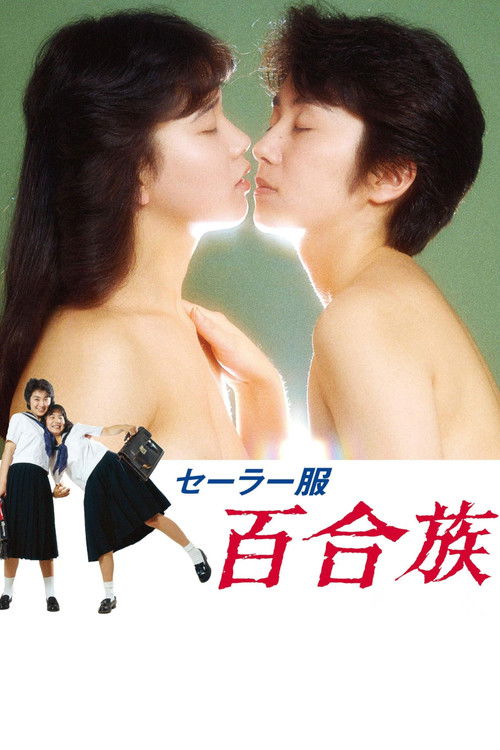
Sailor Uniform: Lily Lovers 2
1983
No user ratings available yet
Representation score: 6.2 out of 10
Representation Score
Good
1983
Director
Hiroyuki Nasu
Runtime
68 minutes
Average Rating
No ratings yetNew Showbiz Analysis
Lesbians in Uniforms is a significant piece of queer cinema that uses a disciplined, all-female military academy to explore identity. It successfully challenges gendered power dynamics by placing women in positions of absolute command. The film's strength lies in its thematic focus on non-straight relationships and its ability to challenge social hierarchies. It moves beyond peripheral subplots to make lesbianism the core of its character arcs. However, the film lacks racial and ethnic diversity within the cast. This narrow demographic scope limits the potential for broader multicultural representation.
Category Breakdown
The film focuses on same-sex relationships as its main storyline. It explores the sexual awakening of female students, using intimacy to establish their roles in driving the story against a rigid social backdrop.
Women hold all roles of authority and military leadership. By removing men from the power structure, the film challenges the traditional association between military command and masculinity.
The setting is a homogeneous, gender-specific environment. While it avoids traditional racial clichés, the lack of visible diversity limits the scope of the cast.
The story examines the conflict between institutionalized order and individual desire. It critiques rigid, traditionalist institutions by framing academy rules as a form of repression.
There is no evidence of characters with visible or invisible disabilities. Disability is not used as a narrative device or subject to mockery.
Present on Screen
Limited or Absent
Official Synopsis
Two high school girls discover the pleasure of sex with each other until one of them chooses to be with a boy.
1983

1931

2003

1993

2007

2000

2021

2004
No reviews yet. Be the first to share your thoughts on this movie!
Use the rating form above to leave a star rating and optional review.