
Love/Juice
2000
No user ratings available yet
Representation score: 6.0 out of 10
Representation Score
Good
2006
Director
Koji Kawano
Runtime
96 minutes
Average Rating
No ratings yetNew Showbiz Analysis
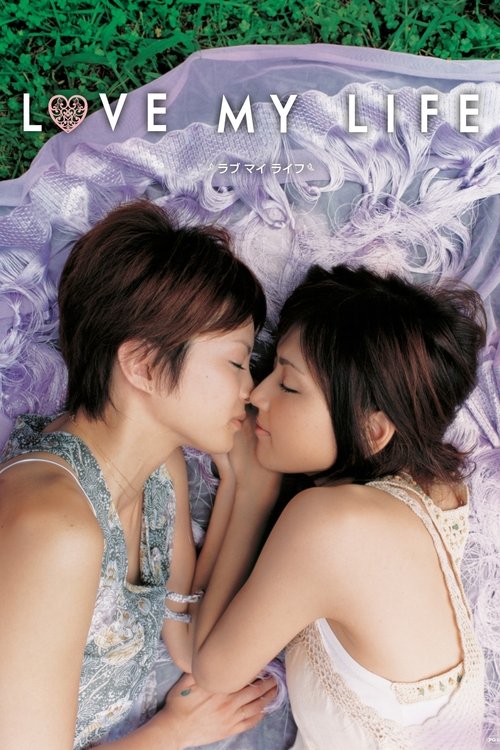
Love My Life stands out by moving beyond standard romantic clichés to explore a sophisticated view of kinship. By centering a lesbian relationship and expanding that identity into a multi-generational family context, the film disrupts conventional social hierarchies. The film's strength lies in presenting queer identity as a unifying familial force rather than a point of conflict. This approach offers a postmodern understanding of community that challenges traditional domestic drama structures. While the film excels in exploring identity and gender ability to act, it remains culturally specific to Japan. This focus provides a nuanced look at local social dynamics but lacks multi-ethnic breadth.
Category Breakdown
The film focuses on a committed lesbian relationship between Ichiko and Eri. It also highlights a multi-generational queer lineage involving both parents.
The story centers around female protagonists who drive the emotional and romantic narrative. Their autonomy and interpersonal connections are emphasized, avoiding submissive roles.
The film portrays Japanese university students within a specific cultural context. It avoids the homogeneous, conservative depictions found in mainstream domestic media.
The narrative challenges the traditional nuclear family model. Coming out is framed as a moment of familial alignment rather than a source of tragedy.
There are no visible or invisible disabilities portrayed in the film.
Present on Screen
Limited or Absent
Official Synopsis
Ichiko and Eri are two beautiful Japanese Uni students who are in a lesbian relationship. Ichiko comes out to her father who tells her he is also gay and her mother was a lesbian.
2000

2020
1983

2000

2006

2012

2012
2004
No reviews yet. Be the first to share your thoughts on this movie!
Use the rating form above to leave a star rating and optional review.