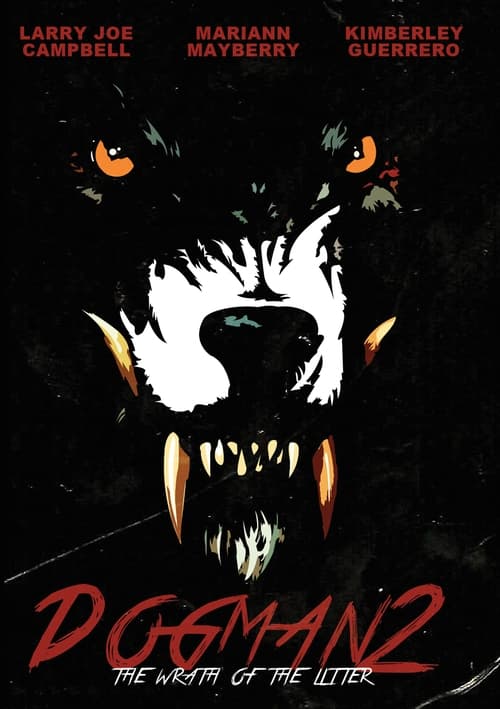
Dogman 2: The Wrath of the Litter
2014
No user ratings available yet
Representation score: 1.6 out of 10
Representation Score
Limited
2003
Director
Jeremy Wallace
Runtime
79 minutes
Average Rating
No ratings yetNew Showbiz Analysis
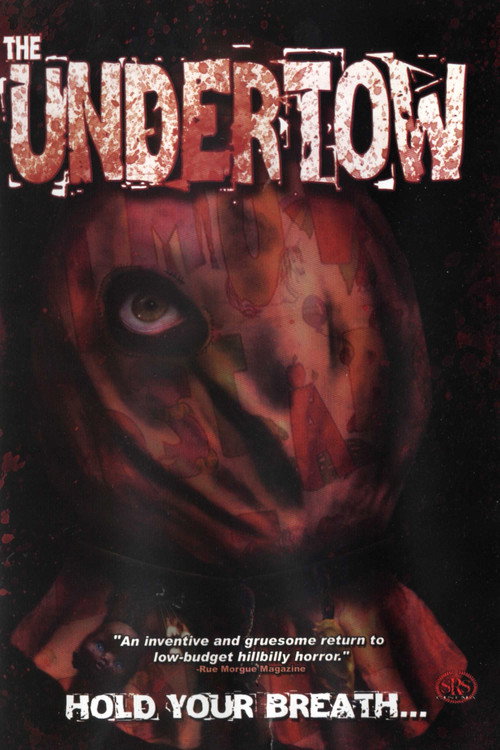
The Undertow is a typical early 2000s horror film that sticks closely to established genre conventions. It leans heavily on traditional clichés of physical dominance and local conflicts, rather than challenging social norms. The narrative lacks depth in reflecting multiple aspects of identity, focusing instead on the survival of a group of friends against a singular, monstrous threat. This approach prioritizes genre-standard tension over nuanced character development or social critique. Overall, the film operates as a standard slasher movie. It uses physical deformity and traditional social structures to advance its plot, offering limited diverse or progressive representation.
Category Breakdown
The film does not include any LGBTQ+ characters or narratives that question the assumption that everyone is straight or cisgender. It centers on survival horror themes involving outsiders and locals.
The story follows a typical slasher format. It emphasizes physical strength through a large male antagonist.
The setting hints at a homogeneous community. There are no indications of a non-white majority cast or diverse character descriptions.
The film uses the corrupt small-town cliché. It does not challenge Western institutions or explore systemic harm through a progressive perspective.
The antagonist is shown as a deformed maniac. This portrayal relies on the 'monstrous other' cliché, where physical differences are used to create fear.
Present on Screen
Limited or Absent
Official Synopsis
Six friends enter the strange town of Old Mines for a weekend float trip. They quickly realize that the town is not friendly to strangers, and they are pressured to leave by the police. When the friends decide to continue their float trip anyway, terrifying secrets of the town surface. A seven-foot-tall deformed maniac, known by the townsfolk as The Boy is kept under lock and key by the town's mayor. The Boy's purpose is simple: kill outsiders. The Mayor of Old Mines releases The Boy and the maniac's hunt begins. One by one, the campers on their float trip are ripped to gory shreds by the enraged, deformed, hulking Boy. But there is great mystery to the Boy. Who is his father? Who is his mother? How did he become so dangerous? In the end, the answers to these questions will put the entire town of Old Mines in danger. The Boy is an unstoppable killing machine, and anyone in his path won't be in one piece for long!
2014
1976
2006
2001
2007
1980
1990
1985
No reviews yet. Be the first to share your thoughts on this movie!
Use the rating form above to leave a star rating and optional review.