The Fanglys
2004
No user ratings available yet
Representation score: 0.9 out of 10
Representation Score
Fair
2006
RDirector
Kevin Higgins
Runtime
94 minutes
Average Rating
No ratings yetNew Showbiz Analysis
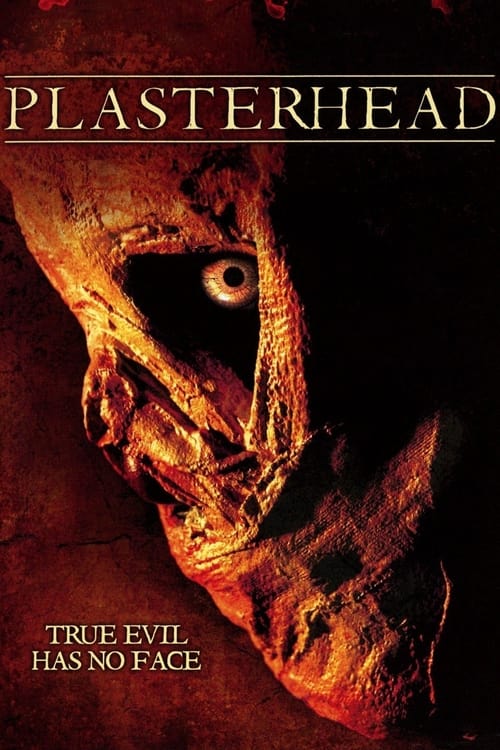
Plasterhead adheres closely to the established boundaries of the backwoods slasher subgenre. The narrative emphasizes survivalist clichés and local legends over exploring social hierarchies or diverse identities. The film leans on traditional horror frameworks, such as the 'outsider vs. local' dynamic and the use of physical deformity to create fear. These elements indicate a focus on genre-standard thrills rather than progressive storytelling. Ultimately, the work lacks evidence of intentional diversity or the disruption of conventional social norms, functioning as a standard mid-2000s horror entry.
Category Breakdown
The film does not explicitly include LGBTQ+ characters or non-cisgender identities. The story revolves around four students facing a survival horror scenario without addressing assumptions about straight relationships.
The story centers on four students, an antagonist, and a sheriff. Gender roles are not explicitly defined, but the film follows traditional genre conventions rather than challenging gender hierarchies.
The setting suggests an outsider versus local dynamic in rural West Virginia. There is no indication of a diverse cast, focusing instead on the homogeneous demographics typical of mid-2000s horror.
The plot uses a standard urban versus rural conflict. It serves as a morality tale of good versus evil without critiquing traditional structures or secular views.
The antagonist's physical scarring and makeshift cast are used as central elements of terror. This approach treats physical deformities as plot devices for horror rather than nuanced representations.
Present on Screen
Limited or Absent
Official Synopsis
Every town has a local legend. Not all of them are deadly. Headed to Miami to celebrate winter break, a group of four college students from New Jersey take a detour into the bowels of rural West Virginia. There, the unwitting friends uncover a grotesque legend that stains the fabric of Rolling Glen, a sleepy backwoods town. As the four friends quickly find out, some believe Williams still roams the woods on the outskirts of town, surviving on the slaughter of wildlife. Others claim to have seen Williams in person, a looming figure with a ghostly white visage, purportedly a makeshift cast to mask the scars and wounds left from the merciless assault. They have a name for Williams now: Plasterhead. Soon, the four friends find themselves holed up in an abandoned farmhouse, mired in a macabre web of terror. Sheriff Taggart will do anything to keep the truth buried: the truth that Plasterhead is frighteningly real. As these teens will soon learn, true evil has no face.
2004
2010
2007
2008
2017
2005
2005
2007
No reviews yet. Be the first to share your thoughts on this movie!
Use the rating form above to leave a star rating and optional review.