Find another title
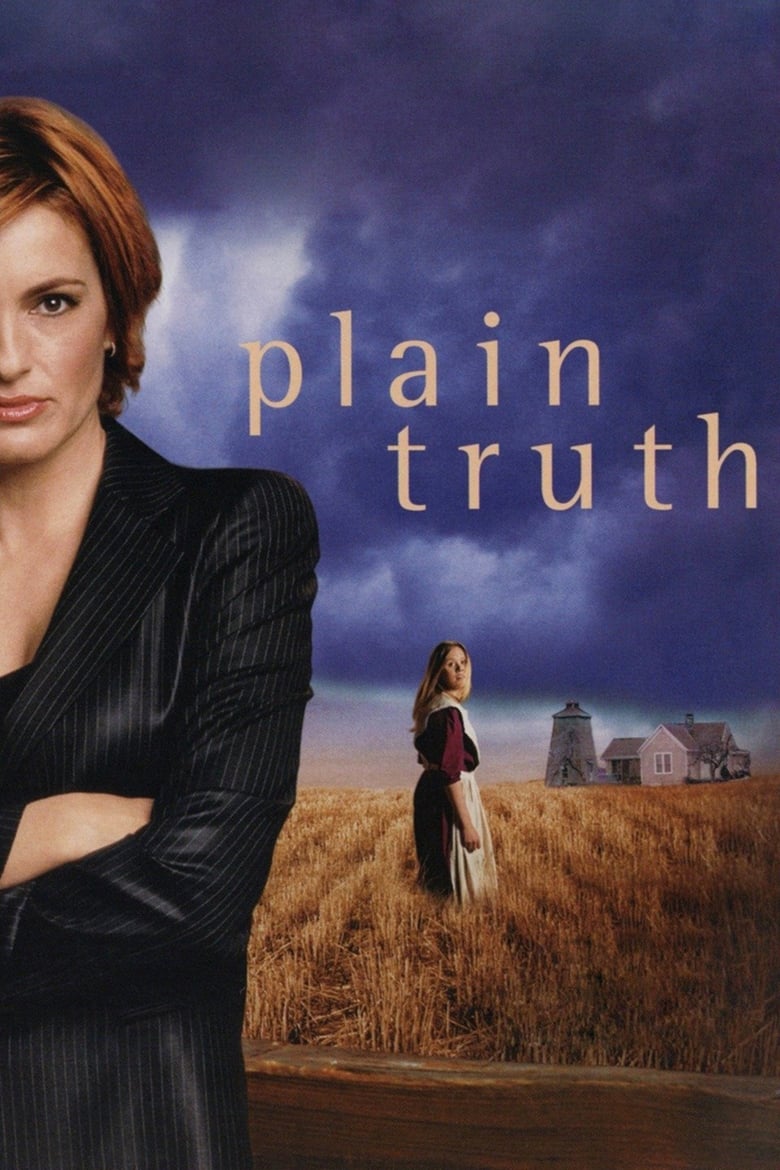
Plain Truth
2004
Director
Paul Shapiro
Runtime
90 minutes
Average Rating
No ratings yetSynopsis
An unmarried 18 year-old Amish girl is charged with the murder of her infant child.
Where to Watch
Diversity & Representation
Overall Score
Fair
Category Breakdown
LGBTQ+ Representation
The film lacks LGBTQ+ characters or narratives addressing non-cisnormative identities. The story focuses strictly on the internal dynamics of an Amish community and a specific criminal charge.
Gender Representation
A female protagonist drives the narrative as she navigates extreme systemic pressure. The plot explores her struggle against patriarchal religious frameworks and traditional expectations of feminine compliance.
Racial & Ethnic Diversity
The film highlights the Amish as a distinct cultural subgroup. While the community appears ethnically homogeneous, the story examines the tension between this minority group and dominant social structures.
Religious & Cultural Diversity
The narrative critiques the friction between strict religious morality and secular law. It examines how communal expectations and rigid traditions can create systemic oppression within closed societies.
Disability Representation
There is no evidence of characters with physical or neurodivergent disabilities within the film's portrayal.
Strengths
- The film provides a meaningful critique of how traditional religious institutions and secular laws clash.
- It centers on a female protagonist navigating high-stakes systemic pressure and patriarchal structures.
- The narrative explores the unique cultural tensions inherent in insular, minority religious communities.
Areas for Improvement
- The film lacks representation for LGBTQ+ identities and non-cisnormative gender expressions.
- There is no evidence of racial or ethnic diversity beyond the homogeneous Amish community.
- The story does not include characters with physical or neurodivergent disabilities.
AI Analysis
Plain Truth is a character study centered on a marginalized individual caught between a traditionalist religious community and the secular legal system. The film uses the specific circumstances of an unmarried Amish girl to examine the weight of communal expectations and the friction between faith and law. While the film lacks explicit intersectional markers regarding race or LGBTQ+ identity, it disrupts conventional expectations by placing a female protagonist in a position of extreme social and legal vulnerability. This positioning allows for a critique of traditionalist social hierarchies and the deconstruction of rigid religious dictates.
Rate this Movie
Reviews
No reviews yet. Be the first to share your thoughts on this movie!
Use the rating form above to leave a star rating and optional review.