
The Lost Shoe
1923
No user ratings available yet
Representation score: 1.6 out of 10
Representation Score
Minimal
1961
Director
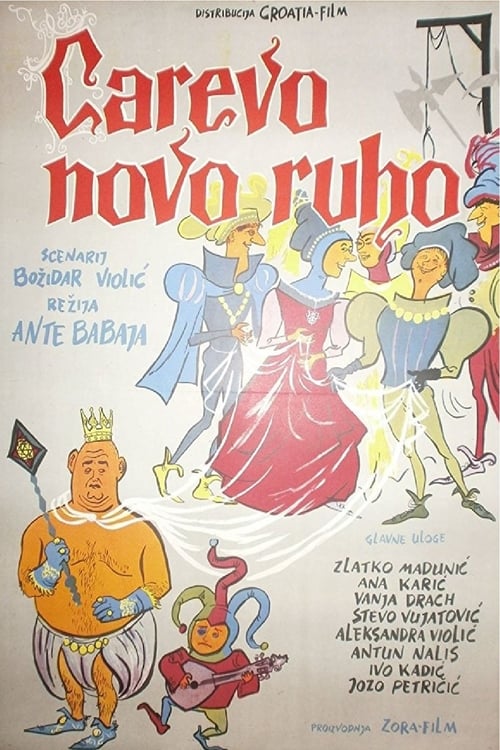
Ante Babaja
Runtime
80 minutes
Average Rating
No ratings yetNew Showbiz Analysis
Ante Babaja’s 1961 animation is a highly stylized, avant-garde work that focuses on aesthetic experimentation rather than social representation. It functions as a classic moral fable, emphasizing the vanity of authority figures rather than identity-based themes. The film's main strength lies in its critique of systemic vanity and the perceived infallibility of traditional institutions. By revealing the court as a place of falsehood, it challenges the stability of monarchical power structures. However, the work remains rooted in a homogeneous, Eurocentric context. It lacks the diverse range of identities and perspectives that reflect multiple aspects of identity found in modern media, providing limited representation for underrepresented groups.
Category Breakdown
The film follows a traditional fairy tale structure and does not include any characters with non-binary gender identities or stories that question the assumption that everyone is straight.
The story emphasizes traditional gender roles by featuring a male ruler. Leadership failures are portrayed as individual flaws rather than systemic issues related to gender.
The film is set in a stylized European environment and does not show any visible racial or ethnic diversity. It presents a homogeneous, Eurocentric perspective typical of the time.
The film provides a detailed look at institutional authority by showing the court as a place of deception. It serves as a moral lesson about truth.
The film does not depict any physical, sensory, or neurodivergent disabilities. Disability is not used as a plot device in the narrative.
Present on Screen
Limited or Absent
Official Synopsis
The adaptation of Hans Cristian Andersen's tale filmed on a white background. It is also the first Croatian movie in color.
1923

1921
1954
1903
1968
2018
1950
1949
No reviews yet. Be the first to share your thoughts on this movie!
Use the rating form above to leave a star rating and optional review.