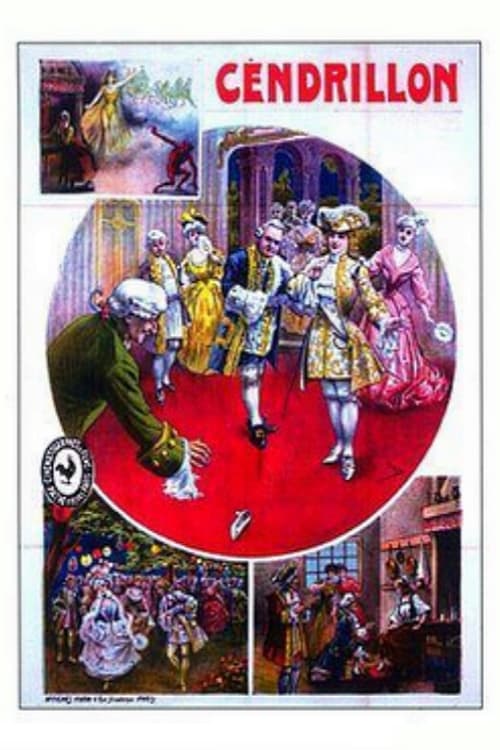
Cinderella or the Glass Slipper
1907
No user ratings available yet
Representation score: 0.3 out of 10
Representation Score
Minimal
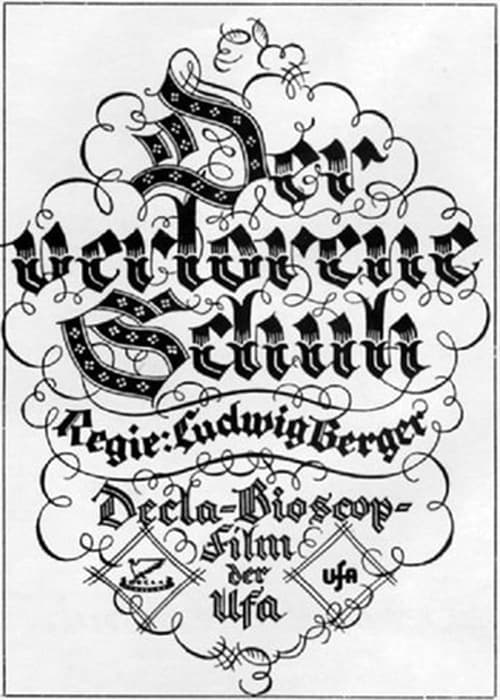
1923
Director
Ludwig Berger
Runtime
50 minutes
Average Rating
No ratings yetNew Showbiz Analysis
The Lost Shoe is a pioneering work of German Expressionism that emphasizes psychological and aesthetic depth over contemporary social commentary. It employs the Cinderella myth to delve into darker themes, yet it remains anchored in the archetypes of its time. While the film’s stylistic intensity offers a deeper psychological exploration of the protagonist, it does not challenge traditional social hierarchies. The narrative serves as a traditional retelling that upholds the cultural norms of early 20th-century European cinema. Overall, the film lacks the intentionality needed to offer meaningful representation for underrepresented groups, focusing instead on psychological expression.
Category Breakdown
The film adheres to the traditional fairy tale framework of the early 20th century, focusing on heterosexual romance without depicting any non-binary gender identities or same-sex relationships.
The narrative follows the Cinderella archetype, emphasizing the female protagonist's transformation. Despite the dark psychological portrayal through expressionist style, it largely upholds traditional romantic themes.
Reflecting the homogeneous society of the German Expressionist era, the film lacks racial diversity. The casting and setting align closely with the demographics of early 1920s Europe.
The film uses a well-established moral framework without critiquing religious or secular institutions. The focus remains on the psychological journey of the protagonist.
There is no specific evidence regarding the portrayal of physical or neurodivergent disabilities within the film's narrative or historical records.
Present on Screen
Limited or Absent
Official Synopsis
One of the first movies made about the fairy tale Cinderella. The film is part of the current German expressionism. Because of that the film ends up being darker than the fairy tale itself.
1907
1921
1903
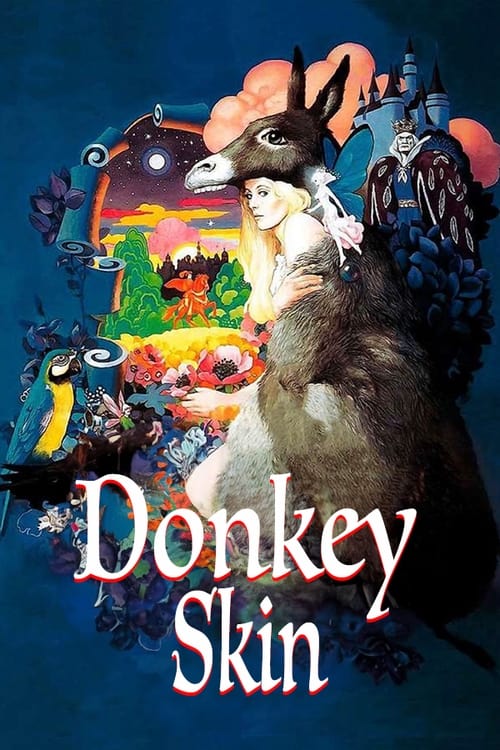
1970
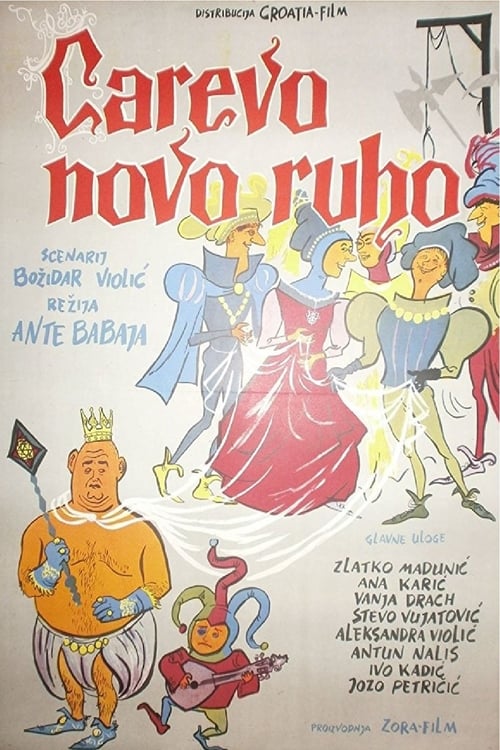
1961
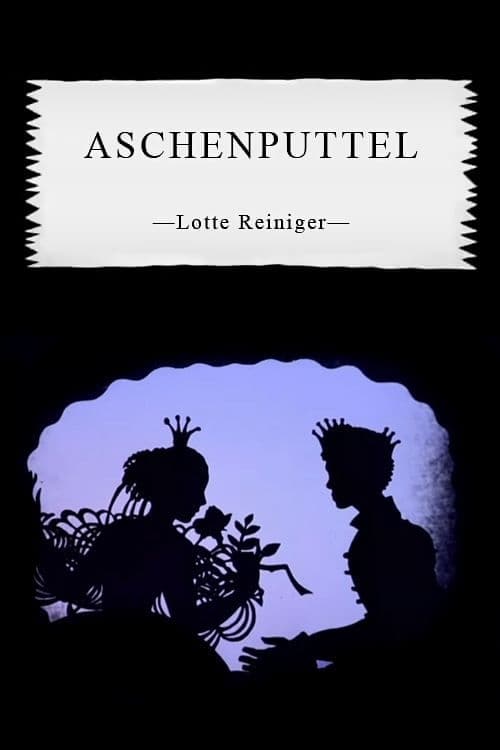
1922
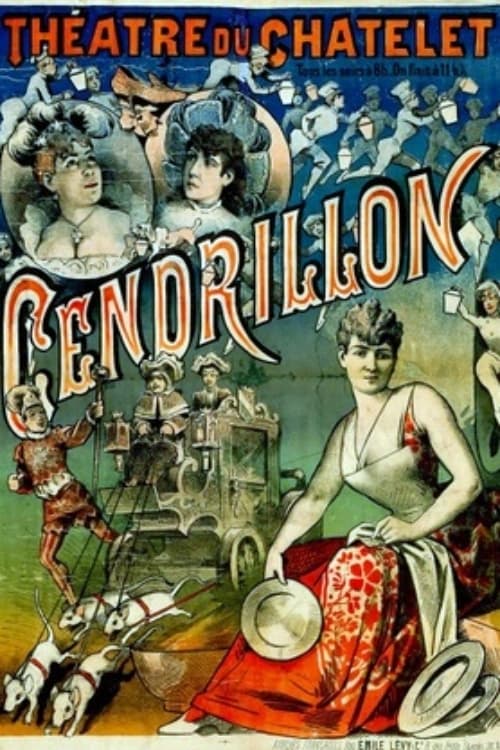
1912

1921
No reviews yet. Be the first to share your thoughts on this movie!
Use the rating form above to leave a star rating and optional review.