Under the Salt
2008
No user ratings available yet
Diversity score: 4.7 out of 10
2023
Director
Derick Cabrido
Runtime
130 minutes
Average Rating
No ratings yetSynopsis
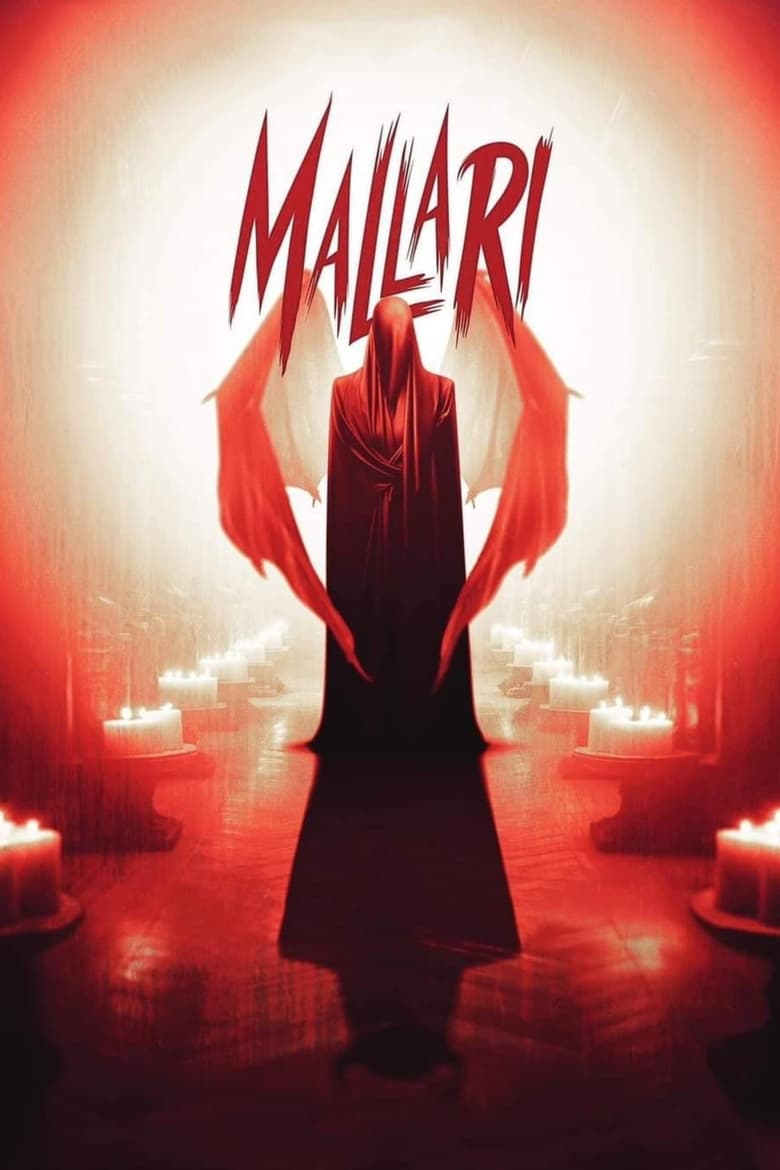
As Father Severino Mallari, a 19th century priest during the Spanish occupation, descends into madness, his life and work as a parish priest in Pampanga is recounted, where he reportedly murdered 57 people to aid his ailing mother.
Overall Score
Fair
Category Breakdown
LGBTQ+ Representation
The film focuses on heteronormative familial bonds between a son and his mother. There is no evidence of queer narratives or non-cisnormative identities.
Gender Representation
The story centers on a male protagonist and his psychological struggle. While a maternal figure is influential, the power dynamics follow traditional familial hierarchies.
Racial & Ethnic Diversity
The film provides a localized perspective by centering a Filipino narrative. It disrupts Western-centric horror tropes by giving agency to indigenous characters in a colonial setting.
Religious & Cultural Diversity
The narrative challenges the sanctity of religious institutions by depicting a priest as a perpetrator of violence. It explores moral relativism through the lens of filial piety.
Disability Representation
Mental health is addressed through the protagonist's descent into madness. However, this appears to function as a horror trope rather than a nuanced exploration of neurodivergence.
Strengths
Areas for Improvement
AI Analysis
Mallari succeeds as a piece of regional genre cinema by reclaiming historical space for Filipino storytelling. It effectively disrupts Western-centric horror conventions by centering a local figure within a 19th-century colonial context. The film's strength lies in its cultural complexity, specifically how it deconstructs the perceived infallibility of the priesthood. By framing violence through the lens of familial devotion, it creates a layered, subjective morality. However, the narrative remains limited by its reliance on traditional structures. The lack of LGBTQ+ representation and the use of mental instability as a mere plot device for horror prevent a higher diversity score.
2008
1975

2016
1969
2013
2008
1969
No reviews yet. Be the first to share your thoughts on this movie!
Use the rating form above to leave a star rating and optional review.