Bela Kiss: Prologue
2013
No user ratings available yet
Diversity score: 3.2 out of 10
2008
PGDirector
Rick Bitzelberger
Runtime
88 minutes
Average Rating
No ratings yetSynopsis
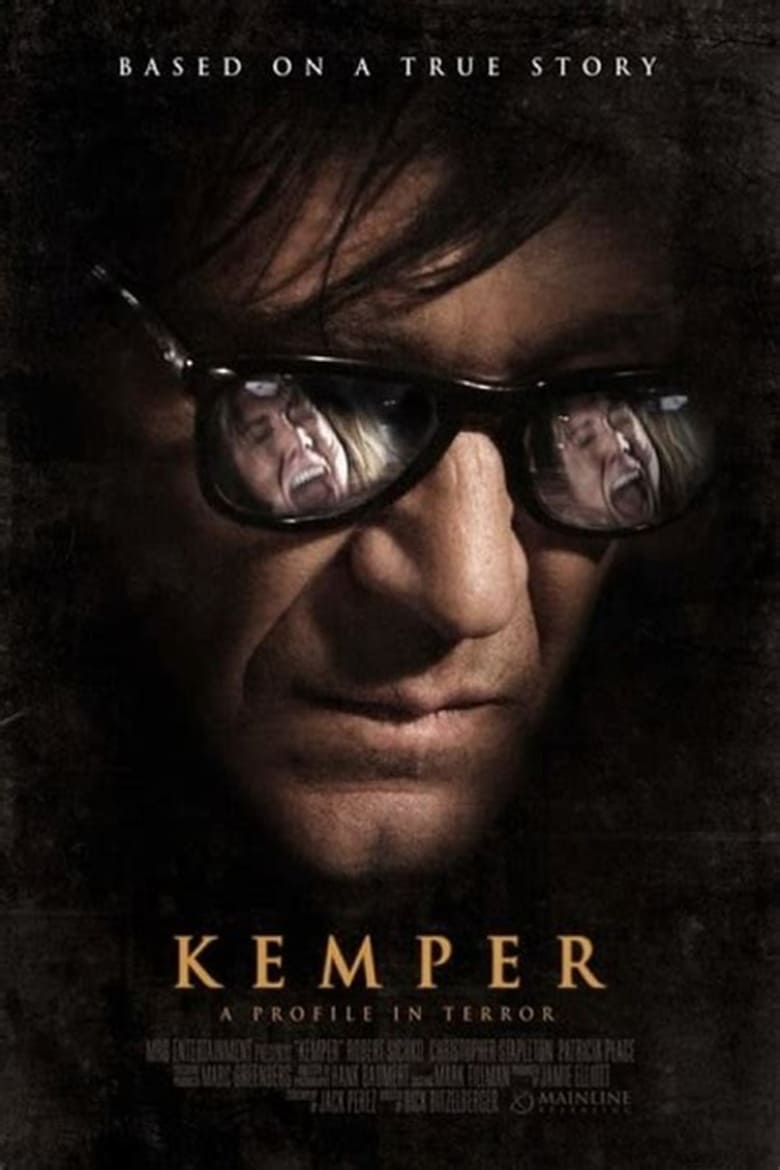
A film based on the true story of Ed Kemper, a serial killer who murdered ten in Santa Cruz, CA during the late sixties and early seventies.
Overall Score
Limited
Category Breakdown
LGBTQ+ Representation
The film lacks any evidence of LGBTQ+ characters or non-cisnormative identities. The narrative focuses strictly on the biographical details of a serial killer.
Gender Representation
The story centers on a male perpetrator of extreme violence. While female victims are likely present, there is no indication of female agency or subversion of gender hierarchies.
Racial & Ethnic Diversity
The setting in Santa Cruz during the late sixties suggests a narrative reflecting the era's likely homogeneous demographics. There is no evidence of intentional intersectional casting.
Religious & Cultural Diversity
The film focuses on individual pathology rather than systemic critique. It lacks evidence of cultural deconstruction or themes challenging Western institutions.
Disability Representation
There is no indication that mental health is portrayed with nuance. The narrative risks using psychological instability merely as a tool for horror tropes.
Strengths
Areas for Improvement
AI Analysis
Kemper functions as a traditional biographical horror-thriller centered on the historical figure Ed Kemper. The narrative architecture is constrained by the specific historical reality of the late 1960s and early 1970s, focusing on a character study of a violent perpetrator. The film lacks meaningful intersectional representation or the subversion of social hierarchies. It appears designed to reconstruct a specific historical crime rather than to challenge conventional norms or include marginalized identities. Because the subject matter is a known serial killer, the film prioritizes individual pathology over broader social or cultural commentary.
No reviews yet. Be the first to share your thoughts on this movie!
Use the rating form above to leave a star rating and optional review.