Swastika
1974
No user ratings available yet
Representation score: 1.3 out of 10
Representation Score
Limited
2006
Director
Sergei Loznitsa
Runtime
52 minutes
Average Rating
No ratings yetNew Showbiz Analysis
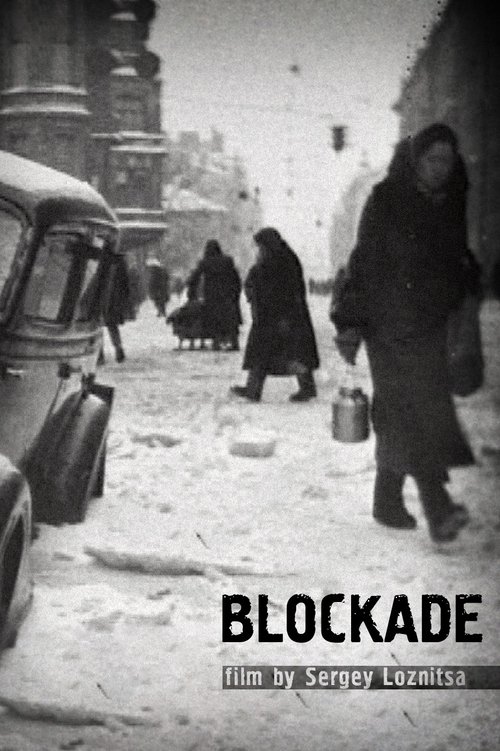
Sergei Loznitsa’s documentary uses reconstructed archival footage to reanimate the Siege of Leningrad. It prioritizes historical authenticity and existential inquiry over modern demographic representation, leading to low scores for identity-based metrics. The film excels by disrupting conventional patriotic clichés and heroic myth-making. It focuses on the visceral breakdown of social order and the collapse of institutional stability during wartime. While the work lacks diversity in terms of race, gender, and LGBTQ+ identity, it offers a sophisticated cultural critique. It presents a fragmented, morally complex reality that challenges traditional historical narratives.
Category Breakdown
There are no LGBTQ+ characters or narratives in the film. The archival footage from the Siege of Leningrad does not include any non-cisgender identities.
Women play crucial roles in the survival narrative but are mostly portrayed in traditional caretaking and domestic endurance roles. The film reflects the gender hierarchies of 1940s Soviet society without challenging them.
The cast is ethnically uniform, representing the specific Soviet population of the time. The film serves as a historical reenactment rather than a study of diverse ethnicities.
The film stands out by breaking down institutional stability and traditional social cohesion. It highlights survival through situational ethics and critiques of external imperialist forces.
Physical deterioration and disabilities caused by starvation are shown as signs of catastrophe. These elements serve more as atmospheric indicators of suffering than as characters with significant roles.
Present on Screen
Limited or Absent
Official Synopsis
The images comprise only of material Sergei Loznitsa found in the Moscow film archives about the siege of Leningrad during World War II. By providing the originally silent images with a meticulously reconstructed soundtrack, the scenes from everyday life under siege seem to be set in the present. By not intervening in the montage but giving the scenes room to tell a story, the scenes transcend the specific historic events and lead a new life. They do not evoke memories of the past, but become a breathtaking reanimation of reality.
1974
1985
2025
2018
1982
2019
2017
2018
No reviews yet. Be the first to share your thoughts on this movie!
Use the rating form above to leave a star rating and optional review.