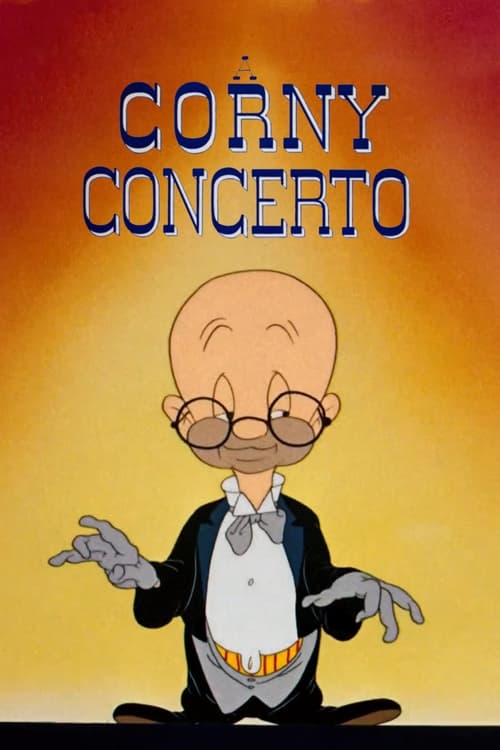
A Corny Concerto
1943
No user ratings available yet
Representation score: 1.1 out of 10

Representation Score
Minimal
1942
ApprovedDirector
Bob Wickersham
Runtime
7 minutes
Average Rating
No ratings yetNew Showbiz Analysis
This 1942 animated short is a gag-driven parody of classical music performance clichés. It relies heavily on slapstick humor, such as a pianist's changing hairstyles and a musician's repetitive triangle routine, to drive its humor. The film lacks intentionality regarding diverse representation. It functions as a traditional piece of Golden Age animation, focusing on the deconstruction of professional musical archetypes rather than social or identity-based storytelling. Because the narrative is confined to a homogeneous Western classical setting, it offers very little in the way of diverse perspectives or character variety.
Category Breakdown
The film focuses on musical satire and physical comedy. There are no LGBTQ+ characters or narratives addressing non-straight relationships.
The narrative centers on male-coded roles like the conductor and pianist. There is no indication of female characters or gendered social dynamics.
The setting suggests a homogeneous Western classical music environment. There is no evidence of a diverse cast or non-Anglo-Saxon representation.
The parody operates within the framework of Western classical tradition using Tchaikovsky's music. It adheres to formal structures of Western high art.
The comedy relies on sight gags and repetitive routines. No characters with visible or invisible disabilities are portrayed with a significant role.
Present on Screen
Limited or Absent
Official Synopsis
With Tschaikowsky's music on the sound track, this parody of long-hair, temperamental orchestra conductors and concert pianists is a long string of sight gags. The pianist has a new hair-do in every scene he is in, all designed to help him see the piano. One fat musician nonchalantly wanders in in the midst of the concert, takes off his hat, coat, muffler and gloves, unpacks his instrument, a triangle, hits one note, repacks, puts on his gloves, muffler, coat and hat, and goes home.
1943

1976
1941
1947
1935
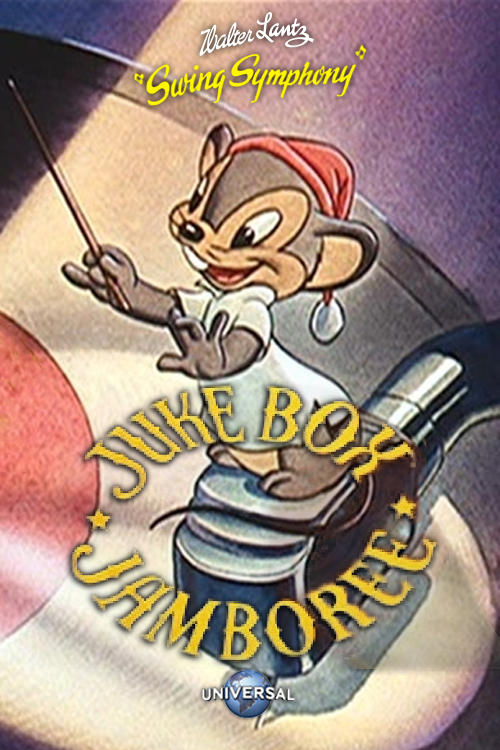
1942
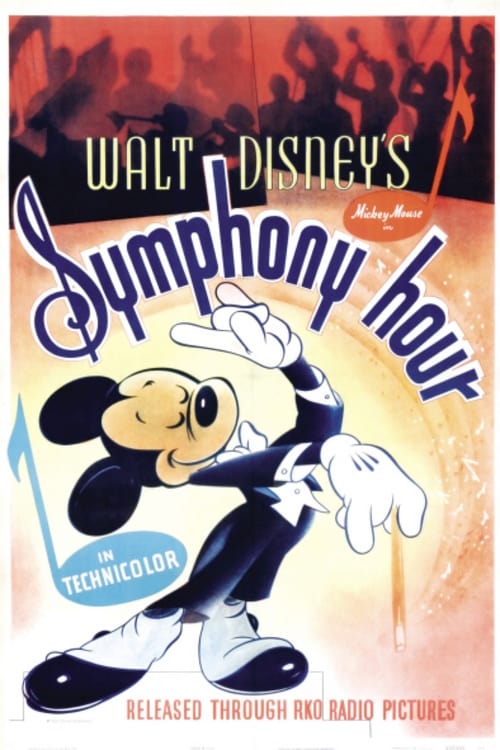
1942
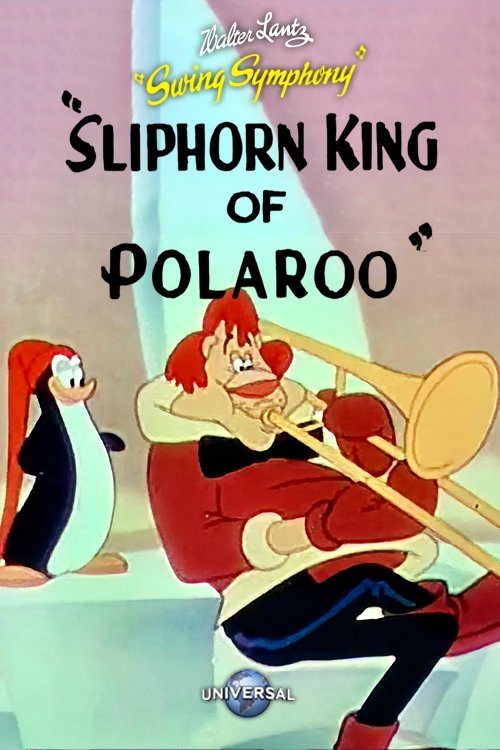
1945
No reviews yet. Be the first to share your thoughts on this movie!
Use the rating form above to leave a star rating and optional review.