Cry Freedom
1987
No user ratings available yet
Representation score: 3.3 out of 10
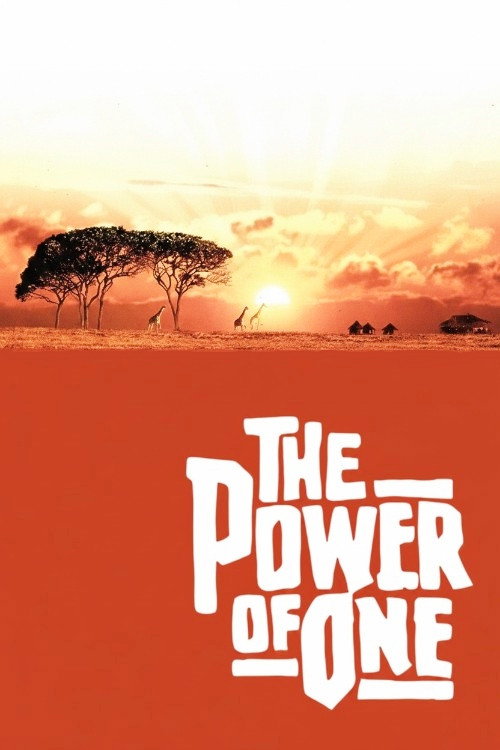
Representation Score
Fair
1992
PG-13Director
John G. Avildsen
Runtime
127 minutes
Average Rating
No ratings yetNew Showbiz Analysis
The film effectively critiques systemic oppression, particularly through its portrayal of racial hierarchies in South Africa. By highlighting an interracial mentorship, it gives significant influence to characters of color who shape the protagonist's moral growth. Despite the strong racial and cultural commentary, the film maintains traditional cinematic structures. The narrative remains centered around the male protagonist's journey, limiting the impact of female characters. Overall, the film explores individual empowerment against a corrupt social order, successfully challenging colonial-era storytelling conventions regarding race, while retaining conventional gender dynamics.
Category Breakdown
The film does not include any LGBTQ+ characters or non-straight relationships. Romantic subplots follow traditional heterosexual structures without any queer themes.
Female characters such as Rachel have meaningful roles and pass the Bechdel test. However, the story focuses primarily on the male protagonist's journey and heroism.
The film addresses racial hierarchies in 1930s South Africa by featuring an interracial mentorship between a white protagonist and a Black mentor, challenging segregationist norms.
The narrative critiques oppressive South African institutions using a post-colonial perspective, emphasizing personal ethics and humanistic values over strict religious adherence.
There are no significant depictions of visible or invisible disabilities that serve as central narrative elements.
Present on Screen
Limited or Absent
Official Synopsis
PK, an English orphan terrorized for his family's political beliefs in Africa, turns to his only friend, a kindly world-wise prisoner, Geel Piet. Geel teaches him how to box with the motto “fight with your fists and lead with your heart”. As he grows to manhood, PK uses these words to take on the system and the injustices he sees around him - and finds that one person really can make a difference.
1987
1962

1999
1967
2007
2006
2000
1956
No reviews yet. Be the first to share your thoughts on this movie!
Use the rating form above to leave a star rating and optional review.