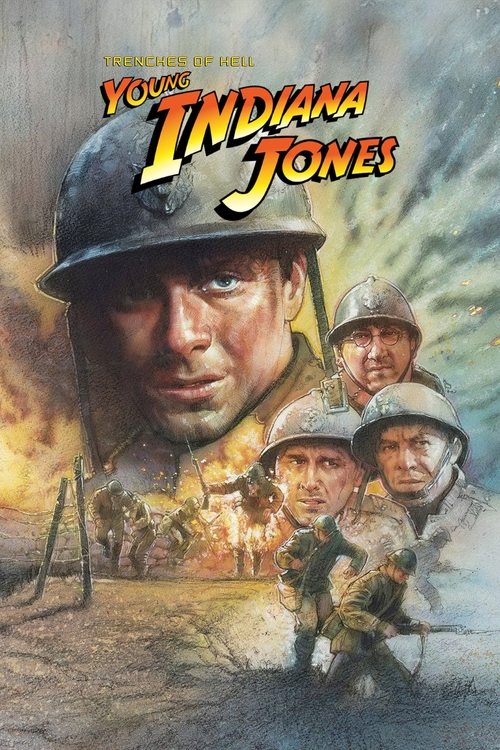
The Adventures of Young Indiana Jones: Trenches of Hell
1999
No user ratings available yet
Representation score: 3.6 out of 10
Representation Score
Fair
1999
Director
Simon Wincer
Runtime
88 minutes
Average Rating
No ratings yetNew Showbiz Analysis
This installment of the Young Indiana Jones series shifts away from conventional adventure stories to explore intricate ethical issues. It stands out by using a post-colonial perspective to critique traditional Western power structures and military directives. The film's strength lies in its commitment to showcasing the dignity of non-Western cultures and local customs. It challenges typical hero-centric narratives found in period adventures. However, it remains confined by the gender roles of the 1920s, limiting the scope of gender diversity.
Category Breakdown
The film does not include any LGBTQ+ characters. The story centers around the protagonist's moral development and his interactions with historical figures and the local community.
Gender dynamics mirror the social structures of the 1920s. Women play supporting roles, and their influence remains secondary to the central military mission and the humanitarian work of Albert Schweitzer.
The production breaks Eurocentric stereotypes by highlighting an African village and an all-Black cast. It offers a platform for indigenous perspectives and local social structures.
The narrative questions Western institutional practices by emphasizing local spiritual traditions and animism. It examines the tension between military duty and humanitarian efforts through a diverse cultural lens.
Illness is portrayed through a community suffering from a widespread disease. The film avoids sentimentality by focusing on the harsh realities of the epidemic and hospital work.
Present on Screen
Limited or Absent
Official Synopsis
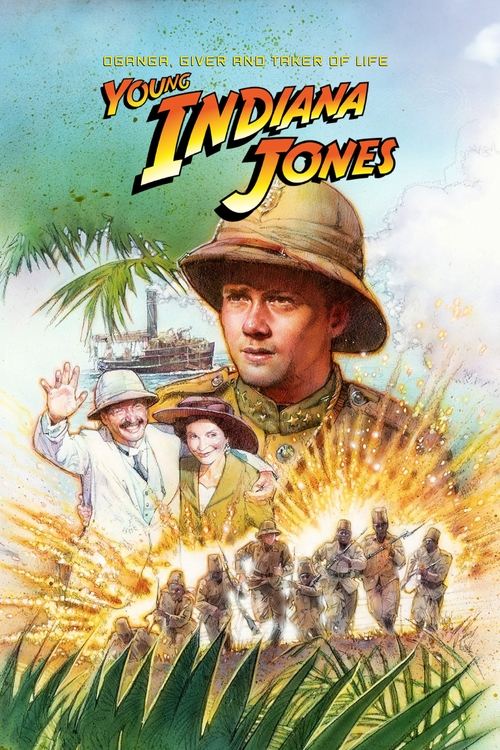
On a vital military mission for the Allies, Indy comes across a disease-ravaged African village and is able to rescue one small child from certain death. The presence of the child endangers the mission, leaving Indy in a moral quandary; fighting his conscience, his sense of duty, his own men and the enemy as he battles his way across the country. Depressed by the turmoil around him, Indy reaches his lowest point. Hope appears in the presence of Albert Schweitzer, a profoundly inspiring and committed doctor, philosopher and musician. Helping out at Schweitzer's jungle hospital, Indy finds his faith in humanity restored and his outlook on life forever changed in this beautiful and moving film.
1999

1995
1999
1986
1999
1997
1999
2003
No reviews yet. Be the first to share your thoughts on this movie!
Use the rating form above to leave a star rating and optional review.