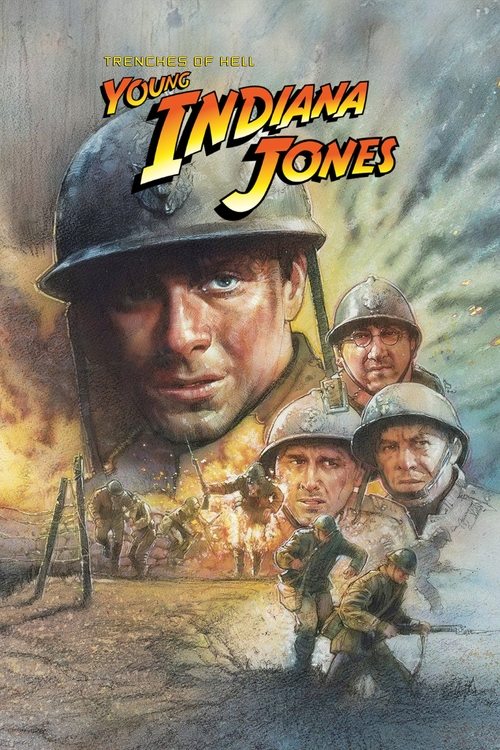
The Adventures of Young Indiana Jones: Trenches of Hell
1999
No user ratings available yet
Representation score: 3.6 out of 10
Representation Score
Minimal
1999
Director
Peter MacDonald
Runtime
93 minutes
Average Rating
No ratings yetNew Showbiz Analysis
The film operates as a classic period adventure, prioritizing individual heroism and external conflict resolution over social exploration. While the global setting allows for a diverse cast of local characters, these figures primarily serve as atmospheric texture rather than central drivers of the story. The narrative structure reinforces established genre conventions. Power and ability to act are concentrated in the hands of the Western protagonist, maintaining a traditional social and cultural framework that avoids challenging existing hierarchies. Ultimately, the production adheres to a binary morality. It focuses on the competence of the hero in navigating geopolitical instability rather than engaging with moral relativism or institutional critique.
Category Breakdown
The film follows a conventional adventure framework. There is no evidence of non-binary gender identities or narratives that question the assumption that everyone is straight or cisgender.
The narrative maintains a traditional gender hierarchy. It is driven by a male protagonist and a group of male soldiers, with female characters playing secondary roles.
The production uses its international setting to include a diverse cast of local characters. However, the story remains centered on a Western protagonist navigating foreign terrain.
The film aligns with traditional Western adventure clichés. It lacks anti-Western sentiment, focusing instead on the hero's mission and the defeat of a technological threat.
There is no discernible focus on neurodivergence, physical disabilities, or chronic illness. Characters are portrayed through the lens of physical capability required for adventure.
Present on Screen
Limited or Absent
Official Synopsis
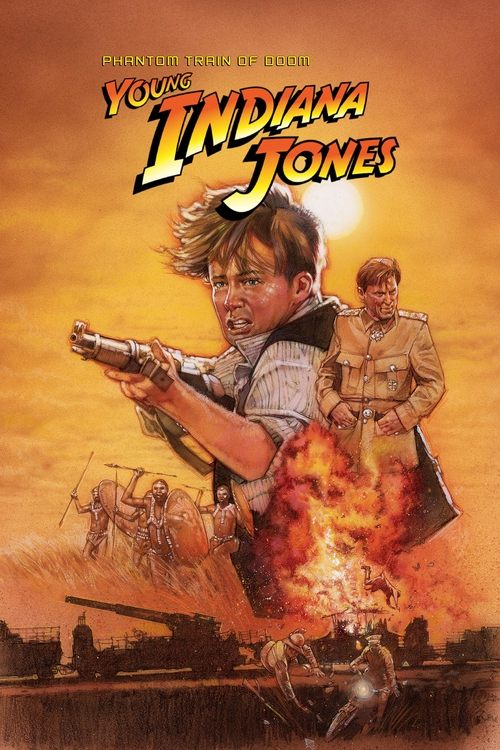
Indy is ordered to locate and destroy a powerful German artillery gun that is mysteriously able to appear and disappear at will, leaving death and destruction in its wake. Assisting him is a colorful group of soldiers nicknamed "The Old and the Bold" because of their old age and reckless courage. Their mission takes them on a dangerous journey across the German-held veldt via wagon train and hot-air balloon. Overcoming all manner of obstacles presented by the enemy, his own side and the harsh African terrain, Indy relentlessly follows the trail of the mega-gun right into the bowels of a secret mountain hideout, where he plans an explosive end for the phantom train of doom.
1999
1978
1999
1995

1999

2000
1999
1999
No reviews yet. Be the first to share your thoughts on this movie!
Use the rating form above to leave a star rating and optional review.