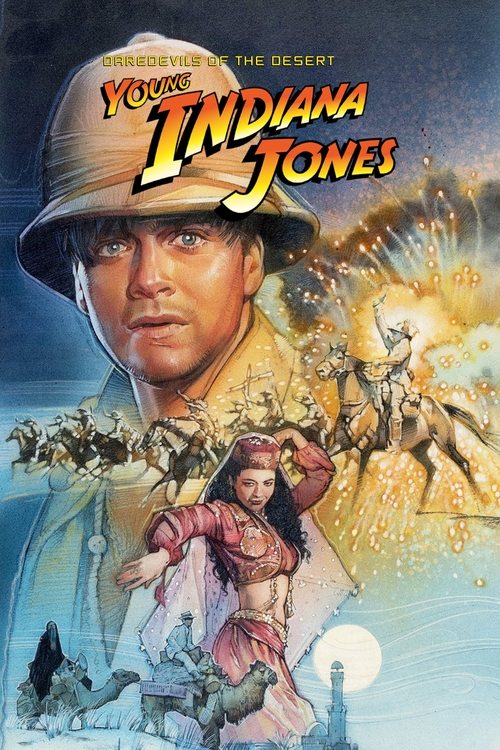
The Adventures of Young Indiana Jones: Daredevils of the Desert
1999
No user ratings available yet
Representation score: 2.3 out of 10

Representation Score
Limited
1999
Director
René Manzor, Nicolas Roeg
Runtime
93 minutes
Average Rating
No ratings yetNew Showbiz Analysis
Demons of Deception provides a nuanced historical perspective by questioning the effectiveness of Western military institutions during World War I. It avoids simplistic storytelling by focusing on the systemic failures of the era's power structures. The film's strength lies in its portrayal of Mata Hari, who plays a significant role in driving the narrative. This prevents the film from falling into passive female archetypes, even within a historically rigid context. However, the film remains limited by its lack of representation for LGBTQ+ individuals and those with disabilities. The focus remains strictly on military and intelligence-driven interpersonal dynamics.
Category Breakdown
The film does not include any LGBTQ+ characters or non-cisgender identities. The romantic relationship focuses solely on heterosexual engagement between the main character and Mata Hari.
Mata Hari stands out by acting as a capable, independent agent. Although the film follows the gender roles of 1916, she drives the plot through her intellect and deceptive skills.
The film showcases multi-ethnic settings and the geopolitical tensions of the time. It highlights how military decisions affect diverse populations caught in the machinery of war.
The story challenges traditional patriotism by depicting military leadership as corrupt and incompetent. It uses Mata Hari to explore complex, subjective morality rather than simple moral absolutes.
The film does not address visible or invisible disabilities or neurodivergence. Characters are primarily defined by their military or intelligence roles.
Present on Screen
Limited or Absent
Official Synopsis
Indy's work with the Belgian Army takes him to the front lines of Verdun in 1916, where officers' callous stupidity sends thousands of men to their deaths for virtually no territorial gain. In Paris, Indy falls in love with the seductive German spy Mata Hari, only to suffer the pains of deceit.
1999
1978

1999

1999

1999

1995

2000

1999
No reviews yet. Be the first to share your thoughts on this movie!
Use the rating form above to leave a star rating and optional review.