
Wolf
2004
No user ratings available yet
Representation score: 4.4 out of 10
Representation Score
Fair
2012
Director
Bruno de Almeida
Runtime
92 minutes
Average Rating
No ratings yetNew Showbiz Analysis
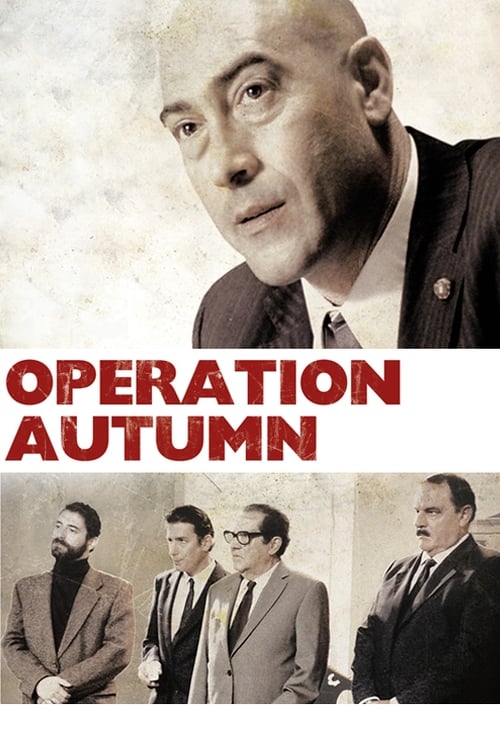
Operation Autumn finds its progressive value through historical critique rather than contemporary identity politics. It succeeds as a study of systemic victimhood and the cost of individual ability to act against a monolithic state. The film's strength lies in its deconstruction of state authority and its portrayal of institutional corruption. It challenges the legitimacy of a traditional, oppressive political hierarchy through its focus on the assassination of General Humberto Delgado. However, the work lacks the breadth found in modern cinema regarding LGBTQ+ and racial diversity, focusing instead on the specific political context of 1965 Portugal.
Category Breakdown
The film does not show any clear LGBTQ+ identities or relationships. It focuses on the political and paramilitary aspects of the 1965 era, which might overshadow any LGBTQ+ character development.
The story likely follows the gender norms of the 1960s. Women may be part of the resistance, but the main plot revolves around traditionally male-dominated military and police roles.
Set during the Estado Novo period, the cast likely reflects the ethnically homogeneous population of mid-century Portugal. The narrative does not emphasize diverse ethnic backgrounds.
The film effectively critiques traditional Western institutions and state-driven morality. It portrays the fascist police force as a corrupt, oppressive system, challenging established power structures.
There is no evidence that disability, neurodivergence, or chronic illness are used as central character traits or plot devices within the film.
Present on Screen
Limited or Absent
Official Synopsis
A film about General Humberto Delgado's brutal assassination by the Portuguese fascist police in 1965.
2004

1969
1972
1997
1979

2010

2014
2016
No reviews yet. Be the first to share your thoughts on this movie!
Use the rating form above to leave a star rating and optional review.