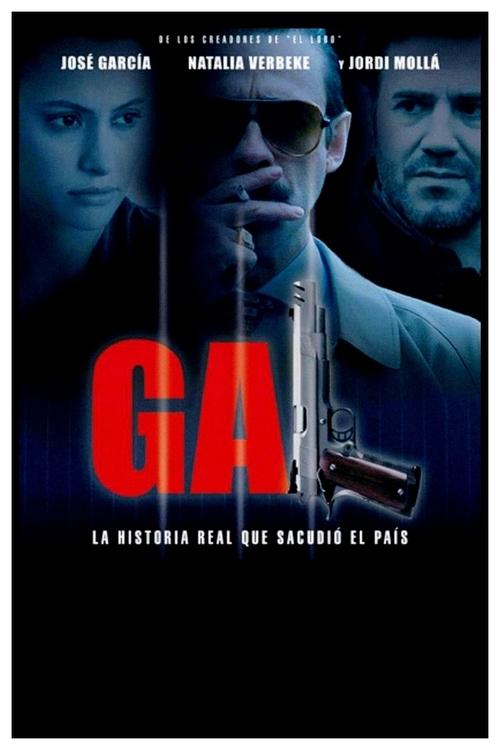
GAL
2006
No user ratings available yet
Representation score: 3.5 out of 10

Representation Score
Fair
2004
RDirector
Miguel Courtois
Runtime
125 minutes
Average Rating
No ratings yetNew Showbiz Analysis
Wolf is a historical political thriller that finds its strength in sociopolitical interrogation rather than broad demographic representation. It moves away from monolithic national narratives by focusing on the friction between regional Basque identity and the Spanish state. However, the film adheres to traditional thriller archetypes, concentrating ability to act within male-dominated spheres of espionage and militancy. This results in a lack of diverse representation regarding gender and sexual orientation. Ultimately, the film's value lies in its critique of institutional power and the complexities of individual ability to act during a period of systemic conflict.
Category Breakdown
The film does not include explicit LGBTQ+ characters or narratives. It focuses on the geopolitical and paramilitary tensions of the 1970s, which centers on heterosexual social structures.
The narrative is centered on a male protagonist and his interactions with security services. Men play a significant role in driving the story within male-dominated spheres of espionage, reinforcing traditional gender roles.
The film engages with ethnic and regional identity by centering the Basque struggle. This disrupts a monolithic national identity, though it remains within a specific European historical context.
The story critiques state authority and systemic oppression under the Franco dictatorship. It explores moral ambiguity by blurring the lines between state security and insurgent violence.
There is no documented evidence regarding the inclusion of characters with visible or invisible disabilities.
Present on Screen
Limited or Absent
Official Synopsis
Based on a true story. In the 70s, during the last stages of Franco's dictatorship, Txema, a basque construction worker, is arrested because of his connection to some terrorists who have just committed a murder. The secret service see in him an ideal candidate to infiltrate the terrorist band ETA and become a mole, so they try to offer him a deal if he will do so.
2006

2008

2012

1997
1972

2024

2015

2010
No reviews yet. Be the first to share your thoughts on this movie!
Use the rating form above to leave a star rating and optional review.