
El ratero de la vecindad 2
1985
No user ratings available yet
Representation score: 3.2 out of 10
Representation Score
Fair
1965
Director
Luis Alcoriza
Runtime
98 minutes
Average Rating
No ratings yetNew Showbiz Analysis
Luis Alcoriza’s film is a culturally grounded social satire set in Mexico City. With a local cast, it avoids Western-centric biases and provides an authentic look at the Mexican middle class and criminal underworld. However, the film is limited by the social norms of its time. It offers almost no visibility for LGBTQ+ identities and provides female characters with limited ability to act. Ultimately, the work focuses on socioeconomic friction and moral relativism rather than a progressive exploration of identity.
Category Breakdown
The film does not include any LGBTQ+ characters or those with non-traditional gender identities. It follows the assumption that everyone is straight and cisgender, which was common in 1960s Mexican society.
Female characters play important roles but have little control over the main criminal storyline. They are often confined to domestic or reactive roles.
The film offers a genuine depiction of Mexican society with a primarily Mexican cast. It avoids the whitewashing often seen in mid-century global cinema.
Alcoriza uses social satire to challenge traditional moral views. The story critiques external cultural influences and questions the role of societal institutions.
There is no significant portrayal of visible or invisible disabilities in the film.
Present on Screen
Limited or Absent
Official Synopsis
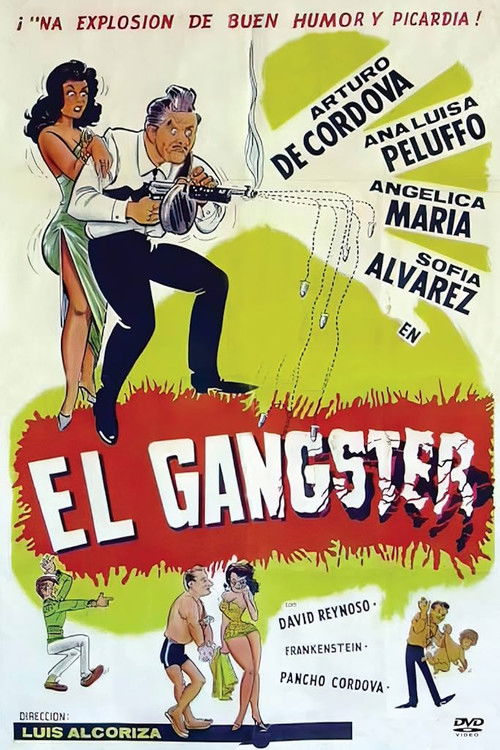
An old gangster returns from the United States to Mexico City to live with his sister-in-law and his two nephews, where he will face the daily life of a middle-class family.
1985

1963

1965

2010

2008
1951

1960
1965
No reviews yet. Be the first to share your thoughts on this movie!
Use the rating form above to leave a star rating and optional review.