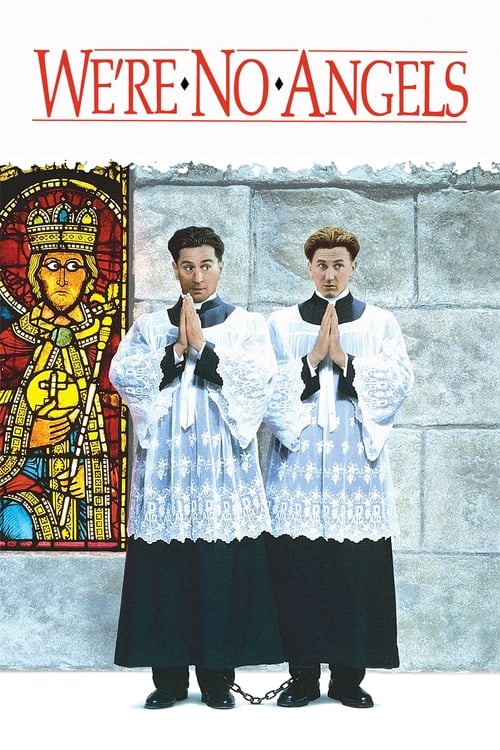
We're No Angels
1989
No user ratings available yet
Representation score: 3.2 out of 10
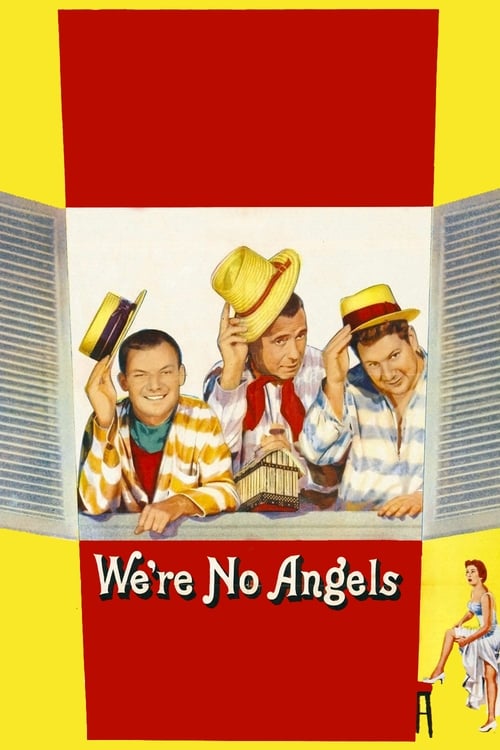
Representation Score
Limited
1955
NRDirector
Michael Curtiz
Runtime
106 minutes
Average Rating
No ratings yetNew Showbiz Analysis
We're No Angels is a mid-century comedy that emphasizes human connection over rigid social norms. It challenges moral absolutism by framing the protagonists' actions through a lens of empathy rather than malice. However, the film's representation is limited by the era's conventions. It lacks LGBTQ+ visibility and offers a narrow view of gender, using women mostly as symbols of authority rather than empowered individuals. While the colonial setting provides a departure from typical urban Western settings, the racial and ethnic depictions remain surface-level. The film's strength lies in its subtle critique of religious and legal structures.
Category Breakdown
The film does not include any LGBTQ+ characters or explore non-straight identities. The interpersonal dynamics are based on traditional relationships.
Female characters mainly serve as figures of institutional authority, such as nuns. They provide a backdrop for the protagonists' actions but do not challenge gender hierarchies.
Set in a French colonial environment, the film deals with a post-colonial landscape. However, the racial and ethnic representation remains tied to conventional period depictions without deeper complexity.
The narrative explores the tension between religious doctrine and human nature. It critiques rigid church institutions by emphasizing communal empathy and flexible ethics over strict rules.
There are no visible or invisible depictions of disability within the film's narrative context.
Present on Screen
Limited or Absent
Official Synopsis
Three convicts escape from prison on Devil's Island just before Christmas and arrive at a nearby French colonial town. They go to the store of the Ducotels, the only store that gives supplies on credit. They initially intend to take advantage of them but have a change of heart after they find the family is in financial troubles.
1989
1955

2001

1986
1989
1951
1986

1941
No reviews yet. Be the first to share your thoughts on this movie!
Use the rating form above to leave a star rating and optional review.