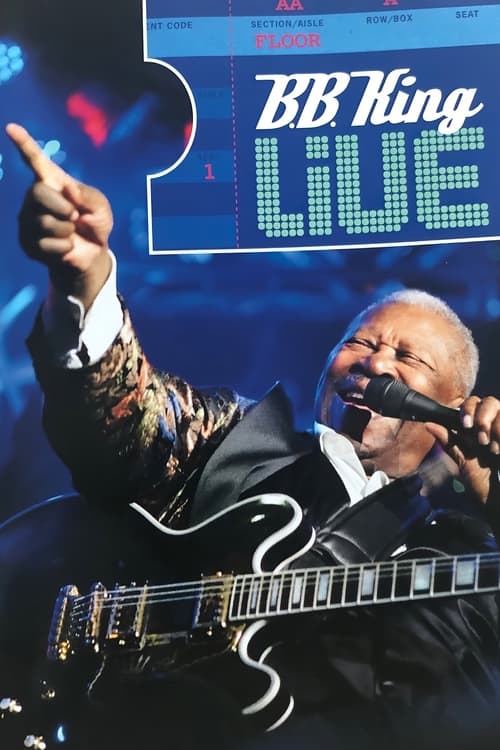
B.B. King: Live
2008
No user ratings available yet
Representation score: 3.5 out of 10
Representation Score
Minimal
2004
NRDirector
Michael B. Borofsky
Runtime
136 minutes
Average Rating
No ratings yetNew Showbiz Analysis
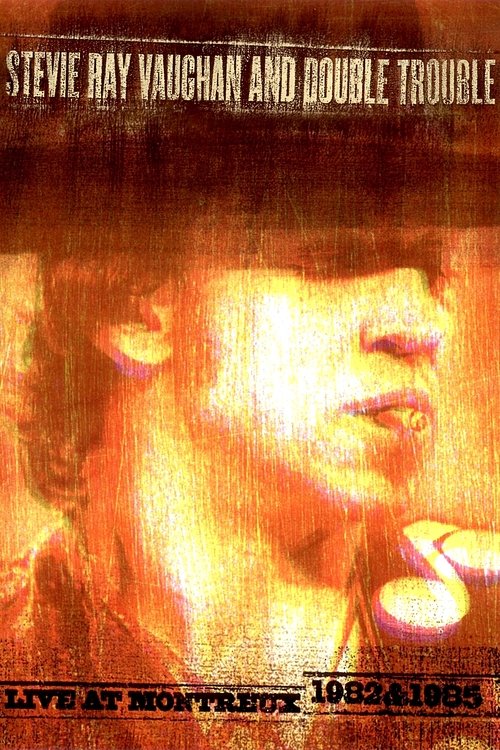
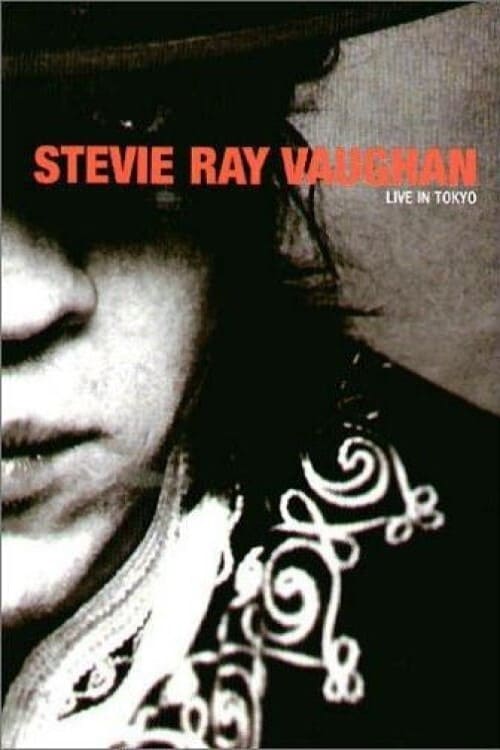
This archival work functions primarily as a technical and cultural record of Stevie Ray Vaughan's musical virtuosity. The narrative structure is built around preserving the blues-rock genre rather than exploring social dynamics or diverse identities. Since the film is a specialized documentary and concert hybrid, it lacks the intentionality needed to address social issues. The focus remains narrow, centering on the artist's personal relationship with his musical heritage. Ultimately, the film serves music historians and enthusiasts. Its low diversity score reflects a genre-specific focus on biographical history rather than promoting regressive values.
Category Breakdown
The film focuses solely on musical performance and the artist's biography. There are no LGBTQ+ characters or narratives present in this documentation of live performances.
The production centers on a male-dominated musical ensemble. It lacks the narrative ability to act to challenge traditional gender roles, presenting blues artistry through a masculine lens.
The film highlights a white performer engaging with the blues, a genre rooted in African American history. It reflects the historical context of the early 1980s blues-rock movement.
The content adheres to traditional celebratory modes of music history. It does not engage with critiques of Western institutions or deconstruct systemic power dynamics.
There is no evidence of performers navigating visible or invisible disabilities. The film does not utilize disability as a narrative device or central theme.
Present on Screen
Limited or Absent
Official Synopsis
Legendary rocker and bluesman Stevie Ray Vaughan performs with the band Double Trouble in two influential shows, in 1982 and again in 1985, at the Montreux Rock Festival. Concert footage is mixed with a documentary on Vaughan. Catch Vaughan performing such tunes as "Hide Away," "Rude Mood," "Pride and Joy," "Love Struck Baby," "Dirty Pool," "Give Me Back My Wig," "Ain't Gone 'n' Give Up on Love" and "Collins Shuffle."
2008
2013
1995
1985
2001
2012
1995
2011
No reviews yet. Be the first to share your thoughts on this movie!
Use the rating form above to leave a star rating and optional review.