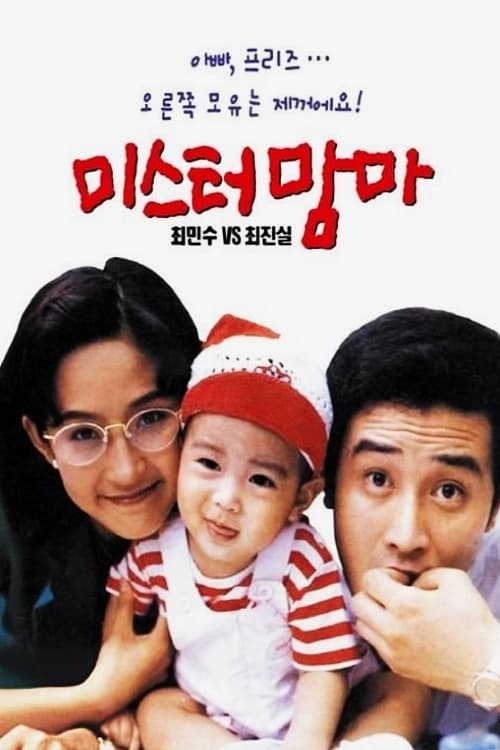
Mister Mama
1992
No user ratings available yet
Representation score: 4.2 out of 10
Representation Score
Limited
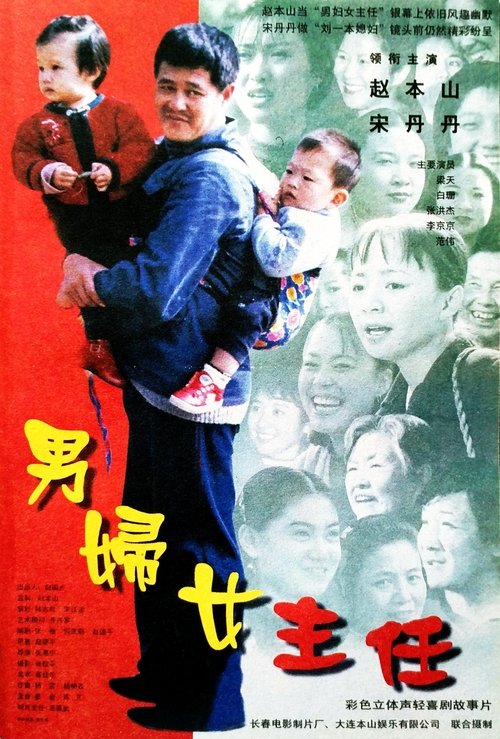
1999
Director
Zhang Huizhong
Average Rating
No ratings yetNew Showbiz Analysis
Male Sorority Director is a period-specific social comedy that uses gender-role displacement to drive its narrative. While the premise disrupts conventional gender hierarchies, the film lacks the multi-layered complexity seen in more progressive media. The film’s focus remains on localized social hierarchies and traditional interpersonal dynamics, offering a glimpse into late-1990s Chinese social satire but without explicit representation for queer identities or diverse ethnic groups.
Category Breakdown
The film does not feature any openly LGBTQ+ characters or narratives focused on queer identities or experiences.
The film places a man in a traditionally female leadership role, which serves as a comedic or dramatic commentary on gendered authority. This setup challenges traditional gender hierarchies.
The cast is primarily composed of Han Chinese actors, reflecting the typical makeup of Chinese cinema during that time. The film focuses on local social dynamics rather than multi-ethnic or international settings.
The story functions as a social satire that examines the tension between traditional structures and evolving social roles. It centers on local hierarchies rather than broader ideological frameworks.
There is no documented inclusion of characters with physical or neurodevelopmental disabilities in this film.
Present on Screen
Limited or Absent
1992
2009
2000

1999
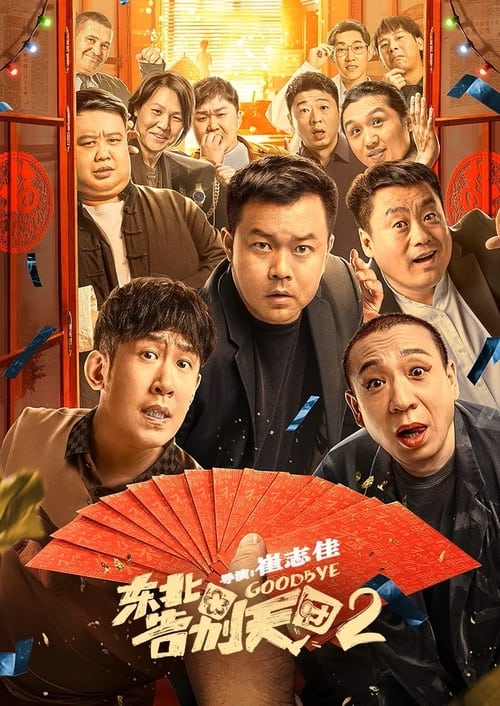
2023

2017
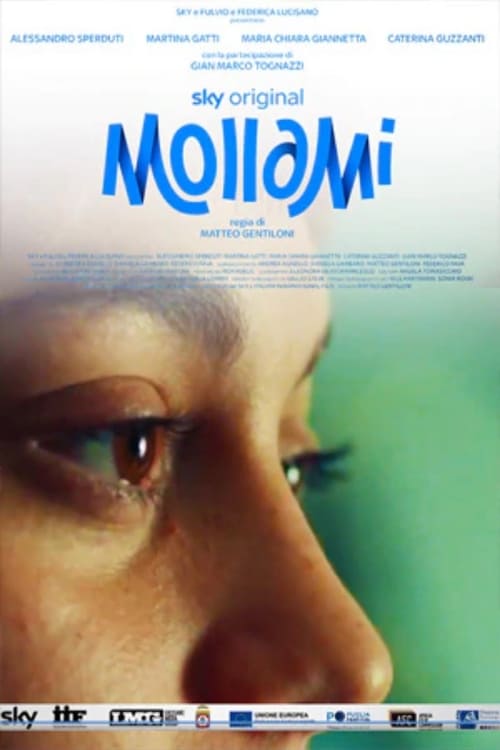
2019
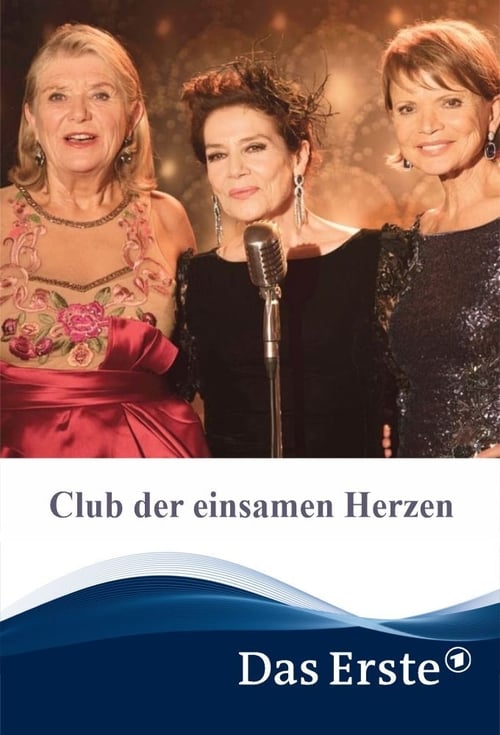
2019
No reviews yet. Be the first to share your thoughts on this movie!
Use the rating form above to leave a star rating and optional review.