
Fette Welt
1999
No user ratings available yet
Representation score: 7.1 out of 10
Representation Score
Excellent
1979
Director
Uwe Frießner
Runtime
107 minutes
Average Rating
No ratings yetNew Showbiz Analysis
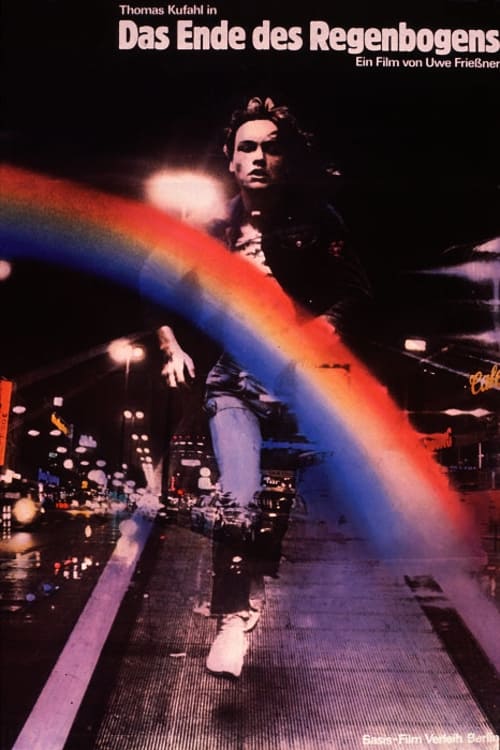
Uwe Frießner’s debut is a piece of social realism that challenges the stability of Western institutional norms. By drawing on the director's personal experiences with social marginalization, the film provides a sobering look at alienation rather than a standard coming-of-age triumph. The film excels in its cultural critique, using communal living and the protagonist's struggle with the labor market to reject traditional capitalist expectations. It avoids moralizing the character's petty theft, treating it instead as a necessary survival mechanism. While the film offers nuanced explorations of gender and queer-coded subcultures, it lacks specific details regarding racial diversity. The focus remains primarily on the systemic failures facing vulnerable youth in an urban environment.
Category Breakdown
The film's title serves as a symbol for queer themes and identity. It delves into the queer experience within the punk and commune subcultures of 1970s West Berlin.
The story breaks down traditional masculine roles by focusing on a protagonist who cannot fulfill the role of a traditional provider. It portrays masculinity through the lens of instability and survival.
The film likely captures the diverse urban landscape of West Berlin's counterculture. However, there is a lack of explicit evidence regarding specific representations of racial diversity.
The narrative strongly critiques Western social institutions and capitalist structures. It frames survival tactics like hustling as legitimate responses to systemic neglect.
The film addresses psychological struggle through the protagonist's status as 'unemployable.' It treats his social dysfunction with empathy rather than relying on common clichés.
Present on Screen
Limited or Absent
Official Synopsis
Uwe Friessner’s first feature, At the End of the Rainbow, follows the exploits of a West Berlin teenager named Jimmi who ekes out a living through petty theft and part-time hustling, hangs out in punk clubs, and who, for reasons which this film subtly details, is thoroughly unemployable. Drawing on his own experience in trying to help a young runaway who eventually committed suicide, Friessner wrote into Jimmi’s story several older students who attempt to find work for him, and who give him shelter for a time in their commune.
1999
1961
1969
1977

2012

1994
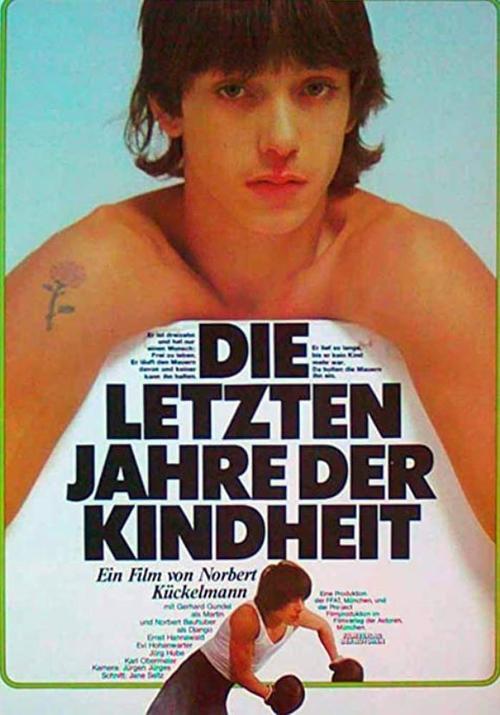
1979
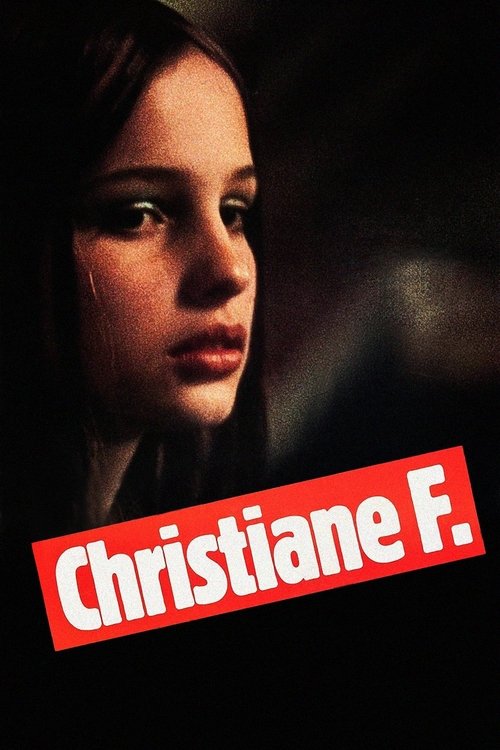
1981
No reviews yet. Be the first to share your thoughts on this movie!
Use the rating form above to leave a star rating and optional review.