
The Super Ninja
1984
No user ratings available yet
Diversity score: 3.1 out of 10
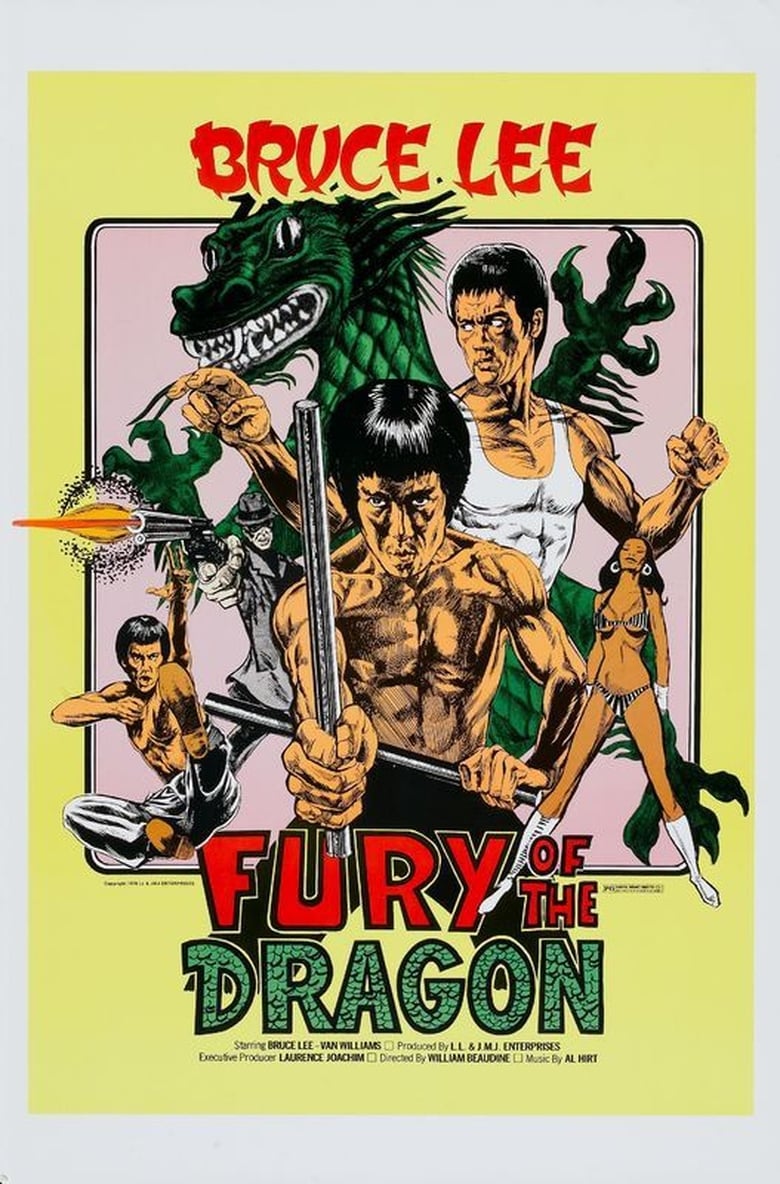
1976
Director
William Beaudine
Runtime
89 minutes
Average Rating
No ratings yetSynopsis
Several episodes of the 1966 TV series "The Green Hornet" edited together and released as a feature.
Overall Score
Limited
Category Breakdown
LGBTQ+ Representation
The film adheres to 1966 broadcast standards, offering no non-cisnormative identities or same-sex intimacy. The narrative relies entirely on traditional heteronormative structures.
Gender Representation
Action dynamics center on male-driven crime fighting. Female characters appear primarily in secondary roles, reinforcing conventional masculine leadership and traditional gender hierarchies.
Racial & Ethnic Diversity
The presence of a protagonist of color provides a baseline for diversity. However, the surrounding cast reflects the era's standard demographic distributions and limited intersectional complexity.
Religious & Cultural Diversity
The story is rooted in mid-century Western crime tropes. It operates within established moral frameworks of American adventure media without deconstructing Western institutions.
Disability Representation
Characters with disabilities lack agency or central roles. The narrative prioritizes idealized physical archetypes and action over neurodivergence or chronic illness.
Strengths
Areas for Improvement
AI Analysis
Fury of the Dragon is a composite feature of 1966 television episodes, making it a product of mid-century media conventions. While it features a protagonist of color, the work remains largely constrained by the era's standard demographic distributions and traditional social hierarchies. The film prioritizes physical prowess and masculine-led action, leaving little room for diverse perspectives on gender, disability, or identity. It functions as a standard genre piece that reinforces the status quo of its time rather than challenging it. Ultimately, the film's reliance on established tropes and conventional archetypes results in a narrow representation of the human experience.
1984

1940

1964

1967

1953

1981
1968
1974

1961
1927
1976
No reviews yet. Be the first to share your thoughts on this movie!
Use the rating form above to leave a star rating and optional review.