The Street Fighter
1974
No user ratings available yet
Representation score: 2.3 out of 10
Representation Score
Limited
1976
RDirector
Al Adamson
Runtime
85 minutes
Average Rating
No ratings yetNew Showbiz Analysis
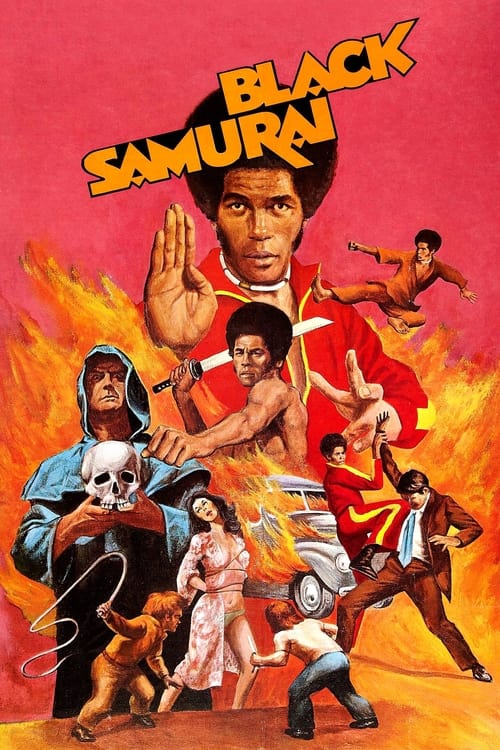
Black Samurai stands out as a unique piece of 1970s exploitation cinema. Its most notable feature is the radical subversion of historical archetypes by casting a Black lead in a traditionally Japanese role. While the film excels in racial diversity through this unconventional casting, it remains limited by the era's genre conventions. The narrative relies on traditional gender hierarchies and lacks any queer or disability-centric representation. Ultimately, the film's impact comes from its disruption of racial homogeneity in historical settings, even as it adheres to standard martial arts clichés.
Category Breakdown
The film lacks any identifiable LGBTQ+ characters or narratives, focusing solely on martial arts combat and the main storyline.
The story emphasizes male combatants and physical strength. The female character mainly serves as a plot catalyst rather than an active participant.
Jim Kelly's casting as a samurai in a feudal Japanese setting breaks traditional casting norms. This choice introduces a cross-cultural the way different parts of someone's identity overlap that was highly progressive for 1976.
The film centers on a lone warrior operating outside established legal structures. The protagonist challenges systemic power by opposing an evil organization.
There is no significant depiction of physical or neurodivergent disabilities in the film.
Present on Screen
Limited or Absent
Official Synopsis
When the daughter of the royal family is held hostage, an agent for "D.R.A.G.O.N." will stop at nothing to destroy the evil organisation which abducted her.
1974
1971
1982
1974

1977
1966
1975

1982
No reviews yet. Be the first to share your thoughts on this movie!
Use the rating form above to leave a star rating and optional review.